In today’s competitive business world, mastering cold emails frameworks is essential for any company looking to generate leads and boost sales. A well-structured cold email can open doors to high-value prospects, create meaningful connections, and significantly improve email reply rates. Using proven B2B email outreach strategies allows you to target the right audience with personalized messages, increasing the chances of engagement. By following tested cold email templates and incorporating effective email subject lines, businesses can craft messages that resonate with recipients and encourage responses. Understanding these frameworks is the key to turning cold leads into loyal customers and driving measurable growth.
What Is a Cold Email and Why It Matters
A cold email is an unsolicited email sent to someone you have never contacted before. Unlike spam, cold emails are personalized and targeted. They are meant to start a conversation, offer value, or share information that helps your prospect. A lead generation email works best when it is tailored to the recipient’s needs, pain points, and interests.
Cold emails are essential in modern sales strategies. They are widely used in B2B email outreach to reach decision-makers. Research shows that businesses using structured cold email campaigns see higher reply rates and better ROI compared to random outreach. With the right email subject lines and email personalization, cold emails can outperform other marketing channels.
💡 Struggling with cold email deliverability?
We’ve built cold email infrastructure for 50+ B2B companies—achieving 40-60% open rates and 10-15 consultations monthly.
See how we can help →Anatomy of a Perfect Cold Email
The first part of a cold email that a recipient sees is the email subject line. A strong subject line grabs attention and entices the prospect to open the email. It should be short, relevant, and personalized. Using the recipient’s name or company can make a huge difference in open rates. Avoid clickbait and focus on clarity.

After the subject line, the opening must quickly show relevance. The email should clearly address a problem or opportunity. The body should highlight a value proposition that matches the prospect’s needs. Ending with a single, clear call-to-action makes it easy for the recipient to respond. A follow-up plan for cold emails ensures that your outreach is consistent and increases email reply rates.
10 Proven Cold Email Frameworks That Convert

Using cold email frameworks helps structure your messages for better responses. The Problem–Agitate–Solve framework is great for showing you understand the prospect’s pain and offering a solution. The Attention–Interest–Desire–Action email framework guides readers to take action after highlighting benefits.
Other frameworks include Before–After–Bridge, Praise–Picture–Push, and Short and sweet sales pitch emails. Intent-based and persona-based frameworks are useful for highly targeted campaigns. The Goated One-Liner and Customized Images frameworks are creative ways to stand out in crowded inboxes. Each framework is designed to maximize engagement, making your emails high-converting emails.
| Framework | Best Use Case | Key Benefit |
| AIDA | Warm leads | Guides to action |
| PAS | Painful problem leads | Demonstrates understanding |
| BAB | Transformational offers | Shows before/after impact |
| 3Ps | Value propositions | Clear and persuasive |
| Short & Sweet | Quick outreach | Easy to read and respond |
15 High-Converting Cold Email Templates (With Examples)
Using templates approved by salespeople can save time and increase results. Some examples include the Quick question email, which is short and direct. The Authority-building email highlights your credibility. Referral-based emails and recent event emails work well when you have mutual connections or industry news.
Other templates include No-Ask Outreach Emails, AIDA Cold Emails, and Low Pressure, Data-Backed Cold Emails. Each template is designed to build trust with prospects, provide immediate value, and guide the recipient to take action. Personalizing templates and adapting them for your audience ensures better B2B email outreach results.
| Template | Example Subject Line | When to Use |
| Quick Question | “Quick question about your sales team” | Time-sensitive asks |
| Authority-Building | “Helping companies like [X] scale faster” | High-ticket offers |
| AIDA | “Tired of [pain point]?” | Highly targeted leads |
| Referral | “[Name], can you help?” | Mutual connections |
| Low Pressure | “20% traffic growth for [Company] in 15 min” | Data-driven approach |
Key Elements Every Cold Email Should Include
Every cold email should start with thorough research. Knowing your prospect’s company, role, and challenges allows you to personalize by customer persona. Your email should clearly communicate a solution or high-value prospect relationship you can create.
The value proposition should be highlighted early in the email. Keep the message concise and end with a clear CTA. A follow-up email sequence is essential because most recipients do not respond to the first email. Timing and relevance in follow-ups can significantly increase cold email response rates.
Cold Email Best Practices to Skyrocket Responses
To improve email reply rates, start by understanding your buyer persona. Segment your audience based on interests, role, and needs. Use automation to personalize emails at scale, but keep your messages human and relevant. Conduct research in batches to maintain quality.
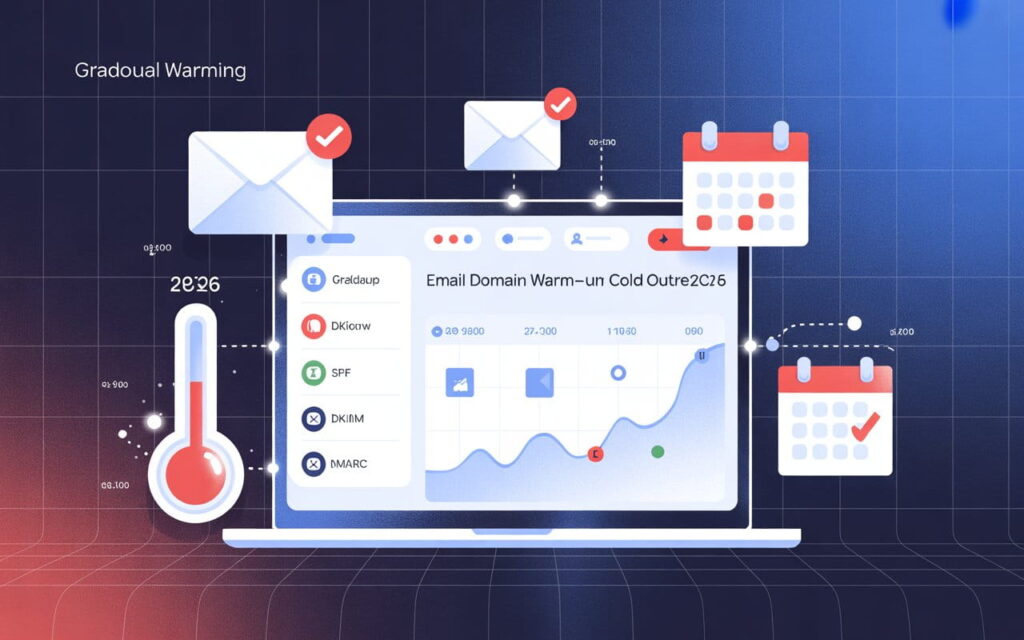
Multi-channel outreach enhances engagement. Combining cold emails with LinkedIn messages, calls, or social touches increases success. Ensure proper domain warmup to avoid landing in spam folder. Testing and iterating campaigns, including subject lines and CTAs, is crucial for ongoing improvement in B2B email outreach.
Common Cold Email Mistakes and How to Avoid Them
Common mistakes include sending generic emails, multiple confusing CTAs, or ignoring follow-ups. Avoid writing long, hard-to-read emails. Failing to research your prospects can reduce credibility and engagement. Over-automation without personalization also decreases response rates.
To succeed, focus on email personalization, clarity, and relevance. Stick to one CTA per email, and always follow a structured follow-up plan for cold emails. Avoid spammy language and maintain professional tone. Learning from failed campaigns helps you refine future outreach and craft high-converting emails.
Measuring Success and Optimizing Your Cold Email Campaigns
Track metrics such as open rates, reply rates, click-through rates, and conversions. Benchmark against industry averages to set realistic goals. Use CRM tools to analyze performance across campaigns and workflows.
Optimize campaigns through A/B testing subject lines, copy, CTAs, and sending times. Review analytics regularly to adjust strategy. Iterating and improving ensures your cold email campaigns continue to deliver results and strengthen high-value prospect relationships.
Free Tools and Resources to Improve Cold Emails
Several tools can enhance email outreach at scale. Email warmup tools improve deliverability. Free cold email templates and subject line generators can save time. Automation software allows personalized sequences. CRM platforms help track campaigns, monitor metrics, and optimize follow-ups.
Other helpful resources include video email tools, lead enrichment software, and multi-channel outreach platforms. Combining these resources with proven frameworks ensures your emails are effective and fully optimized for B2B email outreach.
Final Thoughts: Mastering Cold Emails for Better Conversions
Mastering cold emails requires practice, testing, and personalization. Use structured cold email frameworks, proven sales email examples, and templates approved by salespeople. Always build trust with prospects and offer genuine value.
Cold emails are a powerful tool for lead generation email campaigns when executed correctly. Focus on clear messaging, proper research, and consistent follow-ups. Over time, these practices create high-converting emails that generate replies, build relationships, and grow your business in the USA.
Ready to Fix Your Cold Email?
🛡️ We guarantee 10 consultations in 60 days or work free.
⭐⭐⭐⭐⭐ 50+ clients | 2.4M emails sent | 3.2% reply rate
What you get:
✅ Complete infrastructure (30 emails, 10 domains)
✅ 10,000 personalized emails monthly
✅ First consultations in 5-6 weeks
2 spots left for February 2026
FAQs
What is the 30/30/50 rule for cold emails?
The 30/30/50 rule means 30% of your email should focus on the prospect, 30% on your company, and 50% on the value or solution you provide. It helps balance personalization and sales pitch.
What is the 60/40 rule in email?
The 60/40 rule suggests 60% of your email content should be informative or helpful, while 40% can be promotional, keeping the email valuable to the reader.
Is cold emailing illegal in the US?
Cold emailing is legal in the US if you follow CAN-SPAM laws, which require consent, accurate sender info, and an easy opt-out option.
What is a cold email example?
A cold email example is a short, personalized message sent to a potential lead you haven’t contacted before, aiming to start a conversation or offer a solution.
What are the 3 C’s of cold calling?
The 3 C’s are Clarity, Confidence, and Conciseness, ensuring your cold calls are clear, persuasive, and to the point.
What are the 4 C’s of email?
The 4 C’s of email are Clear, Concise, Compelling, and Correct, which make your emails professional, engaging, and effective.
What are cold email templates that get high reply rates?
Templates that are short, personalized, value-driven, and follow proven frameworks to maximize responses.
What is a cold email template for applying to a job?
A concise email introducing yourself, highlighting skills, and expressing interest in a specific role.
What is a cold email template for acquiring new clients?
An email that addresses the prospect’s pain points, offers a solution, and includes a clear call-to-action.
What is a B2B cold email template?
A professional email targeting businesses, showcasing value, and prompting a meeting or demo.
What is a cold email template to send to a professor?
A polite and focused email introducing yourself, stating your purpose, and requesting guidance or collaboration.
What are some effective cold email templates?
Templates like Quick Question, Authority-Building, Referral, and Data-Backed emails proven to boost reply rates.
What is a cold email template for software engineers?
A targeted email highlighting relevant technical skills, project experience, and interest in collaboration or a role.
What is a cold email template for sales outreach?
An email that identifies the prospect’s challenges, presents your solution, and ends with a single, clear CTA.