Cold emailing remains one of the most powerful tools for lead generation through email, yet many professionals continue to make cold email mistakes that drastically lower their cold email response rate. From sending generic messages to ignoring email warm-up process, these errors can harm sender reputation issues and reduce overall campaign success.
Even small oversights, like weak subject lines or missing follow-ups, can prevent your emails from reaching the right audience. Understanding common pitfalls and learning in how to fix them is essential for anyone using sales outreach emails. This guide will help you master cold emailing for business growth in 2025–2026.
Types of Cold Emails You Can Send (And When to Use Each)
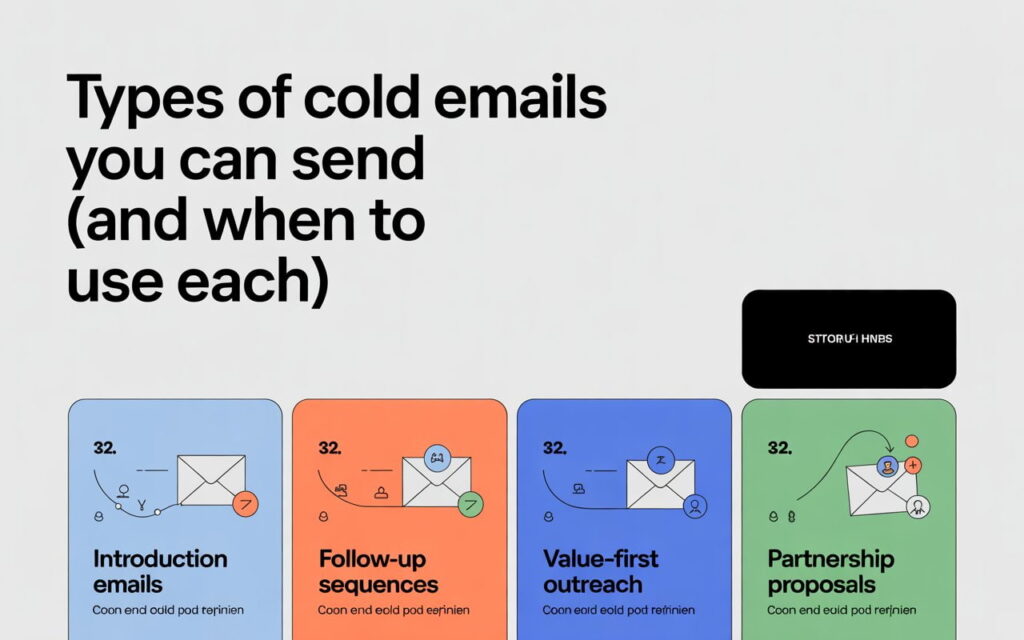
Cold emails are not one-size-fits-all. Understanding the types is essential to avoid low response rates email. Sales outreach emails are designed to pitch solutions or products. Investor emails introduce business opportunities to potential backers. Job application emails target hiring managers, and brand awareness emails focus on long-term relationships rather than instant sales.
Different email types require unique email personalization strategies. Using CRM-driven prospect analysis or behavioral segmentation in email allows you to target audiences accurately. Mapping emails to specific purposes increases cold email reply rate and ensures inbox placement improvement.
💡 Struggling with cold email deliverability?
We’ve built cold email infrastructure for 50+ B2B companies—achieving 40-60% open rates and 10-15 consultations monthly.
See how we can help →Mistake #1 – Not Defining or Understanding Your Ideal Customer Profile (ICP)
Skipping ideal customer profile (ICP) research leads to wasted resources. Without knowing your ideal prospect, prospect targeting framework fails, and campaigns result in poor cold email response rate. Businesses using prospect list segmentation see better outcomes and more high-performing cold emails.

CRM-driven prospect analysis helps find valuable prospects. Data on company size, industry, or technographic data for outreach ensures segmentation based on firmographics. Firms that ignore ICP struggle with cold emailing for business growth and often suffer low email engagement techniques.
Mistake #2 – Sending Generic or Non-Personalized Emails
Sending mass emails without personalization beyond first name is a common cold email mistakes. Generic emails trigger spam filter avoidance alerts and reduce engagement. Personalized emails, like award-based personalization or role-specific pitching, can increase cold email response rate by up to 45%.
Using psychographic targeting in email and prospect pain-point research allows personalized outreach messages that connect. Tailored emails with email copywriting mistakes fixed also improve mobile-first email structure and readability, increasing email open rate boosters.
Mistake #3 – Weak Subject Lines and Cluttered Email Copy
Weak subject lines harm email open rate boosters. Avoid spam words in emails, excessive punctuation, or vague phrases. Subject line testing A/B helps improve engagement and drives higher cold email response rate.
Email body matters too. Long, cluttered emails reduce attention, especially on mobile. Keeping mobile-friendly cold emails short improves message readability enhancement. Structuring emails with clear paragraphs and single points ensures attention span impact on emails is minimized.
Mistake #4 – Ignoring Domain Warm-Up, Authentication & Deliverability
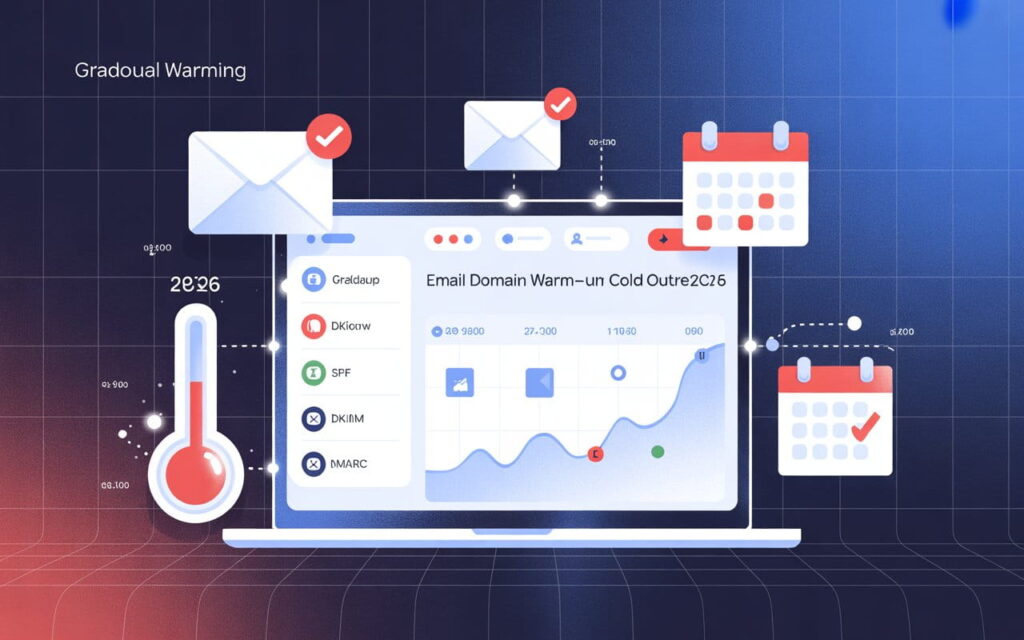
Ignoring email warm-up process and domain authentication setup damages deliverability. Without SPF DKIM DMARC setup, emails may land in spam. Authentication protocols for outreach are critical for cold email deliverability factors.
New domains need gradual email volume increase. Using warm-up automation tools and tracking outreach domain variations ensures email volume scaling safely. Ignoring this step risks sender reputation protection and lower cold email reply rate.
Mistake #5 – Damaging Your Domain Reputation (And Not Checking It)
A bad cold email domain strategy lowers trust and inbox placement improvement. Using your main domain for outreach increases risks. Sender reputation issues hurt future campaigns, and avoiding cold email compliance rules worsens the problem.
Regular monitoring with tools like Google Postmaster or Microsoft SNDS checks domain health. Fixing issues with authentication protocols for outreach and cold email deliverability factors improves deliverability and campaign success.
Mistake #6 – Bad List Quality and Poor Bounce Management
Poorly curated lists cause high bounce rates and trigger spam filter triggers. Using outdated contacts or low-quality lists reduces cold email response rate. Lead generation through email depends on clean and verified prospects.
Behavioral segmentation in email and CRM-driven prospect analysis help maintain list quality. Avoiding repeat bounces and removing inactive users protects sender reputation protection and ensures cold email campaign improvement over time.
Mistake #7 – Follow-Up Errors: Sending Too Many or Too Few
Follow-ups are critical for cold emailing for business growth. Sending too few emails misses opportunities, while too many annoy prospects. Optimized follow-up email strategy and follow-up sequence timing improve cold email reply rate.
Using multi-touch outreach strategy with value-driven follow-up ensures prospects stay engaged. Combining multichannel prospecting (email + LinkedIn) increases conversions and protects your sender reputation from overuse.
Mistake #8 – Weak, Confusing, or Missing CTAs
A poor or missing conversion-focused CTA confuses readers. Binary CTA choices like “Monday at 2 pm or Thursday at 9 am” improve responses. Without a clear CTA, campaigns struggle to convert prospects.
Effective CTAs link to the main message and provide value-driven follow-up opportunities. Clear action steps in cold email best practices boost cold email reply rate and sales outreach emails success.
Mistake #9 – Not Following Compliance Rules (A Major 2026 Risk)
Failing to adhere to cold email compliance puts businesses at legal risk in 2026. Laws require opt-outs and proper messaging. Ignoring rules triggers spam flags and harms sender reputation protection.
Maintaining cold email compliance involves unsubscribes, opt-in verification, and avoiding spam filter triggers. Combining email deliverability tips with legal adherence ensures campaigns remain effective and safe.
Mistake #10 – Sending at the Wrong Time or Giving Up Too Early
Timing impacts cold email response rate. Emails sent at inconvenient times get ignored, reducing email engagement techniques. Similarly, giving up early misses potential responses.
Using outreach cadence optimization ensures emails reach prospects when active. Following a planned follow-up email strategy with multi-touch outreach strategy increases cold email campaign improvement and strengthens relationships.
How to Fix a Damaged Domain Reputation (Step-by-Step Recovery Plan)
Recovering a damaged domain involves cold email domain strategy, authentication protocols for outreach, and proper warm-up. Start with verifying SPF, DKIM, and DMARC, then clean your lists with behavioral segmentation in email and CRM-driven prospect analysis.
Gradually increase sending volume with warm-up automation tools. Track responses and reduce bounce rates to protect sender reputation protection. Combining email deliverability tips, spam trigger avoidance, and mobile-first email structure restores trust and improves cold email reply rate over time.
Conclusion: Mastering Cold Emailing for High Deliverability & Maximum Replies
Cold emailing in 2025–2026 demands strategy, precision, and attention to detail. Avoiding cold email mistakes and maintaining sender reputation protection ensures cold emailing for business growth. Following cold email best practices, using personalized outreach messages, and improving email deliverability tips maximize cold email response rate and lead generation.
By combining email warm-up process, short cold email format, mobile-friendly cold emails, and conversion-focused CTA, you create campaigns that convert. Remember, success comes from persistence, testing, and smart prospect targeting framework, not just sending more emails.
FAQs
What are 5 common interview mistakes?
Common mistakes include being unprepared, failing to research the company, giving vague answers, bad body language, and not asking questions. These reduce your chances of impressing the interviewer.
What is the 60 40 rule in email?
The 60/40 rule suggests 60% of your email content should provide value, while 40% focuses on your offer or CTA. This keeps prospects engaged without overwhelming them.
How to fix a bad domain reputation?
Fix a bad domain reputation by cleaning your email lists, implementing SPF DKIM DMARC setup, warming up your domain, and monitoring engagement metrics. Consistency improves sender reputation protection.
What is the most common mistake product managers make when they send cold emails to people they want to interview?
The biggest mistake is sending generic or impersonal emails without prospect pain-point research, which lowers response rates. Personalizing based on the recipient’s role and achievements increases replies.
What is the 30/30/50 rule for cold emails?
Allocate 30% of your email to research, 30% to personalization, and 50% to providing value to the recipient.
What are common mistakes in emails?
Common mistakes include generic messages, weak subject lines, poor CTAs, ignoring domain warm-up, and sending to unverified lists.
What not to do in cold emails?
Avoid sending impersonal messages, spamming, ignoring compliance, skipping follow-ups, or using cluttered email copy.
What is +++ looping in mail?
+++ looping is a method used in testing or auto-forwarding emails where certain markers track email chain progression.
What does ++ mean in email?
++ usually indicates a reply or follow-up in internal email testing or automation logs.
What is a mail delivery agent (MDA)?
An MDA is a server or program that receives email from a mail transfer agent and delivers it to the recipient’s mailbox.
Ready to Fix Your Cold Email?
🛡️ We guarantee 10 consultations in 60 days or work free.
⭐⭐⭐⭐⭐ 50+ clients | 2.4M emails sent | 3.2% reply rate
What you get:
✅ Complete infrastructure (30 emails, 10 domains)
✅ 10,000 personalized emails monthly
✅ First consultations in 5-6 weeks
2 spots left for February 2026