Creating effective outreach sequences in 2026 has become essential for businesses that want real conversations, not ignored emails. With inbox competition at an all-time high, companies now need smarter strategies that mix timing, relevance, and authentic communication.
Modern outreach is no longer about mass sending; it is about understanding the prospect’s intent, offering value early, and building trust through consistent touches. U.S. buyers respond best to messages that feel human, personalized, and helpful, which is why cold email outreach, multichannel outreach, and value-first outreach matter more than ever. As technology evolves, successful sequences now rely on data, clarity, and well-crafted communication that truly stands out.
What is an Outreach Sequence?
An outreach sequence is a planned series of messages delivered over time to a prospect using email, calls, social media, SMS, or a mix of channels. Instead of sending random cold messages, an outreach sequence follows a structure where each touchpoint has a purpose, timing, and clear goal. In 2026, U.S. businesses use outreach sequences for sales, partnerships, recruiting, PR, customer success, investor outreach, and appointment setting. A well-crafted sequence helps prospects understand your value without overwhelming them or sounding pushy.
Outreach sequences differ from bulk email blasts because they focus on hyper-personalized emails, intent-based messaging, and behavior-driven steps instead of mass sending. Structured sequences perform better because they follow human psychology, logical timing, and relevance indicators instead of guessing. In 2026, sequences are shaped by AI intent prediction, CRM data, behavior tracking, and modern compliance laws, making them far more precise and meaningful than traditional cold email outreach.
Strategic Planning for Outreach Success
Identifying Your Ideal Prospect Persona in 2026
Understanding who you are contacting is the foundation of an effective outreach sequence. A clear Ideal Prospect Persona helps you identify their role, challenges, priorities, buying power, and communication preferences. In 2026, businesses in the U.S. use AI-backed tools to analyze behavior, social activity, and intent signals. These signals show who is researching solutions, reading industry content, or actively evaluating vendors. This reduces guesswork and helps outreach sequences match the prospect’s needs with the right timing and message.

Setting Clear Goals and Outreach Intent
Strong sequences start with SMART outreach goals, which define what you want from every contact. This may include booking demos, collecting replies, nurturing cold prospects, or driving engagement. These goals help build messaging that fits the buying stage and tone. Modern sequences also follow U.S. privacy expectations and anti-spam rules, ensuring compliant communication. With clear intent, each message in a sequence becomes more focused, more relevant, and more aligned with the prospect’s journey.
Mapping the Buyer Journey for U.S. Prospects
Understanding the buyer journey helps you position your message correctly. U.S. prospects in 2026 expect value-first communication that respects their time. Between awareness, consideration, and decision stages, each touchpoint must match their motivation level. Mapping these stages helps you decide when to educate, when to share proof, and when to ask for a micro-commitment. This alignment builds trust and increases your cold email reply rate.
Understanding Timing, Relevance, and Market Signals
Timing is one of the strongest drivers of response rates. Market signals such as hiring activity, funding rounds, product launches, or leadership changes indicate when a prospect might be open to new solutions. In 2026, predictive AI tools help identify these signals and score prospects based on readiness. When outreach aligns with the right moment, it naturally gets more replies.
Anatomy of a High-Performing Outreach Sequence
Sequence Length and Touchpoint Structure (Emails, Calls, LinkedIn)
A high-performing sequence usually follows a sequence length 5–7 emails structure across multiple channels. Each touchpoint serves a unique purpose such as introduction, value delivery, authority building, or follow-up. The structure includes emails, LinkedIn messages, connection requests, calls, and sometimes SMS. Each message works together to gently move the prospect toward a reply without feeling forced.
Multichannel vs. Single-Channel in 2026
By 2026, relying on email alone is no longer enough. Multichannel communication improves visibility and engagement because prospects check different platforms at different times. Email combined with LinkedIn, calls, and even SMS increases your chance of being remembered. These channels provide repeated touchpoints without repetition, which leads to higher engagement from U.S. decision-makers.
Psychological Triggers That Boost Replies
Human behavior influences outreach success. Curiosity, relevance, authority, and micro-commitments drive replies. Curiosity encourages prospects to open the message, while relevance makes them read it. Authority and social proof make your offer credible, and micro-commitments lower resistance to responding. Modern sequences also use behavioral data, inbox intelligence, and AI scoring to optimize each step based on psychology.
Creating Your Outreach Sequence: Step-by-Step Guide
Step 1 – Choose the Right Sequence Type (Cold, Warm, Follow-Up, Nurture)
The type of outreach sequence depends on how familiar the prospect is with your brand. Cold sequences introduce your value, warm sequences build on previous interactions, follow-up sequences reconnect after silence, and nurture sequences educate prospects over time. Matching sequence type to your relationship stage increases trust and reduces friction.
Step 2 – Define Timing, Frequency, and Cadence
A well-designed cadence follows timing and frequency rules that keep your outreach gentle yet consistent. Messages are spaced to avoid overwhelming your prospect, usually every two to four days depending on urgency. Randomized intervals sending helps your emails feel human instead of automated.
Step 3 – Build Email/Task Steps (Email, Call, Social, Generic Tasks)
When building a sequence, emails should be combined with LinkedIn tasks and call reminders. This ensures multiple touchpoints with consistent value. Each step should follow a sequence structure that complements the previous message using clear intention, simple writing, and conversational tone in emails.
Step 4 – Add Prospects and Apply Personalization Layers
CRM personalization data and custom fields (snippets) help you personalize your emails at scale. Personalized outreach emails perform better when they mix relevance, empathy, and proof. You can enhance this with AI writing assistant tools such as an OpenAI email assistant or Woodpecker email tool to generate stronger messaging.
Step 5 – Activate, Monitor, and Adjust the Sequence
Once activated, the sequence should be monitored for open rates, reply rates, and behavior patterns. If prospects ignore certain steps, conditional email flows and conditional follow-ups help adapt based on performance. This is where sequence optimization with data becomes powerful.
Crafting High-Impact Emails Within Your Sequence
Writing Strong Introduction Emails
Your introduction email is the most important message in the sequence. It must be clear, short, and relevant to the prospect’s role. The best introduction emails highlight a problem or opportunity without sounding salesy. The message should feel human and helpful, focusing on value instead of pressure.
Using Value-First Messaging
A value-first approach prioritizes the prospect’s needs before your offer. This method works well in the U.S. market because buyers want insight, not pitches. Sharing useful facts or small insights helps build trust. Prospects reply more when they feel respected and understood.
Social Proof, Authority, and Nuance in 2026 Sales Emails
Adding social proof such as results, case studies, or trusted names increases credibility. However, it must be simple and not overwhelming. Modern authority-building uses short examples, not long stories. Nuance matters because U.S. prospects dislike exaggerated claims and prefer clear, relatable proof.
Building Curiosity and Micro-Commitment CTAs
Effective CTAs ask for small actions instead of big commitments. Examples include requesting a quick opinion, suggesting a short call, or asking a strategic question. These micro-commitments improve reply rate optimization because prospects do not feel pressured.
Improving Deliverability and Inbox Placement
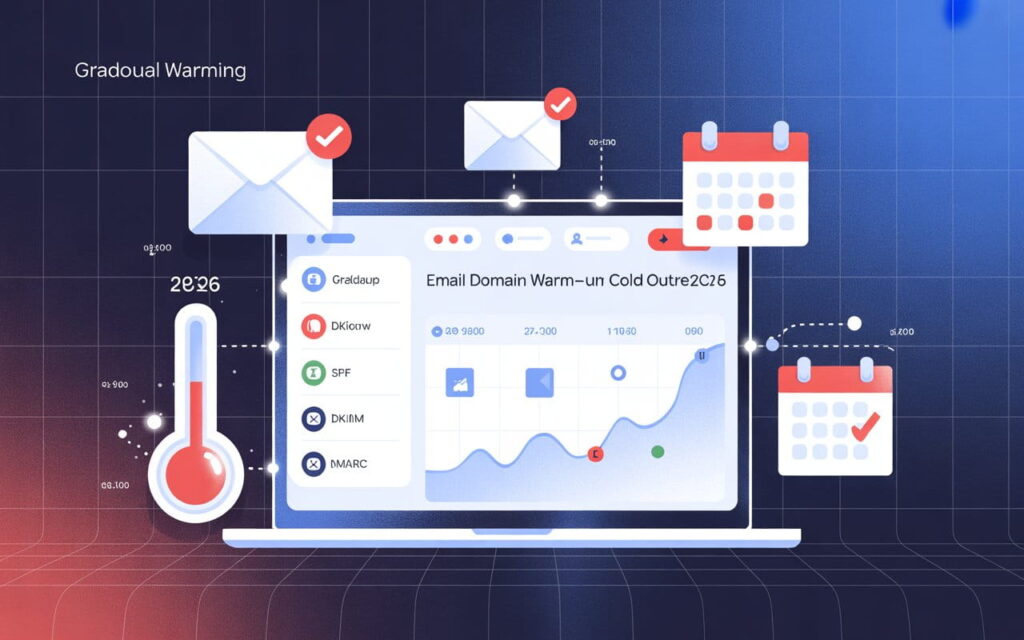
Email deliverability factors matter more than ever. Good domain health, clean lists, HTTPS tracking pixels, and deliverability-friendly sending help you stay out of spam. Proper SPF, DKIM, and DMARC, combined with targeted sending, keep your messages in the inbox.
Sample email examples (intro, social proof, case study, strategic question, breakup email)
Email 1 – Intro Email (Problem-Focused)
Hi {{Name}}, I noticed your team is working on {{relevant activity}} and many U.S. companies are struggling with {{specific pain}} this year. I have a simple insight that might help you improve results fast. Would you be open to a short conversation?
Email 2 – Social Proof & Authority Email
Hi {{Name}}, quick note to share a result. We recently helped {{similar company}} reduce {{problem}} by {{metric}} in {{timeframe}}. Happy to share how they approached it if that feels useful.
Email 3 – Case Study Email
Hi {{Name}}, we just published a free case study outreach example showing how a U.S. company solved {{problem}} with a simple shift in process. If you want, I can send the short version.
Email 4 – Strategic Question Email
Hi {{Name}}, curious to ask you one thing. What is the biggest challenge you see in {{topic}} this quarter? Your answer will help me understand whether I can share something helpful.
Final Touch – Breakup Email for Non-Responders
Hi {{Name}}, I don’t want to crowd your inbox. Should I close the loop here or keep you in the loop with short insights? You can reply with one word.
Best Practices for Outreach Sequences
Optimal Sequence Length in 2026
The best performing sequences in 2026 usually follow the sequence length 5–7 emails rule with a mix of channels. This keeps contact consistent without overwhelming the prospect. Too few messages reduce visibility, and too many create fatigue.
Personalization Levels That Actually Matter
Personalization works best when it combines relevance, insight, and clarity. High-level personalization uses intent signals and behavior tracking, while medium-level focuses on industry context. Low-level personalization includes first name and company name only. Matching personalization depth to prospect value saves time and increases efficiency.
Using AI Without Losing Human Touch
AI helps improve writing quality, research, and insights. Tools like an AI-powered email writing assistant or a Woodpecker email tool make outreach faster. However, the human tone and empathy should remain visible in your message to avoid sounding robotic.
Timing Rules for U.S. Decision-Makers
U.S. executives respond best during mid-morning or mid-afternoon hours. Weekends and late nights reduce replies. Proper timing supports trust and shows professionalism.
Value-First Before Pitching
Value-first outreach wins because it respects the prospect’s time. U.S. buyers expect practical information before hearing a pitch. When they feel understood, they reply more and engage deeper.
Avoiding Common Sequence Mistakes and Red Flags
Over-Automation and Generic Messaging
Over-automation reduces trust and hurts deliverability. Prospects quickly notice generic templates and lose interest. Keeping your message short, simple, and personal is the best approach in 2026.
Too Many Touches Too Close Together
Frequent messages feel pushy and harm your reputation. Healthy spacing helps you appear thoughtful instead of desperate. Each touchpoint needs breathing room to feel natural.
Ignoring Deliverability and Domain Health
Poor domain reputation can kill your sequence performance. Domain warm-up, proper authentication, and clean sending habits ensure your emails land in the inbox. Ignoring these factors destroys reply rates.
Not Updating Sequences Based on Behavior
Prospects behave differently, so sequences must adapt. Behavior-based updates, AI scoring, and performance tracking help you improve message timing and tone without reinventing the entire sequence.
Multichannel and Advanced Outreach Strategies
Combining Email + LinkedIn + Phone + SMS
Multichannel outreach increases visibility because prospects use multiple platforms. Combining phone + email + social outreach ensures your presence across channels without feeling repetitive. Each channel reinforces your value.
Intent-Based Personalization and Buyer Signals in 2026
Intent signals reveal when prospects are ready to engage. These include website visits, content consumption, or keyword activity. Matching your message to these signals improves relevance and timing.
Smart Automation and Conditional Flows
Conditional flows adjust messages automatically based on behaviors like opens, clicks, or replies. This makes sequences dynamic instead of static. It also saves time and improves relevance.
Using AI to Enhance—but Not Replace—Human Relevance
AI tools support better writing, research, and customization, but they cannot replace empathy and human storytelling. U.S. buyers still value real conversations. AI should enhance—not remove—human context.
Tracking, Measuring, and Optimizing Outreach Performance
Key Metrics to Track in 2026
The most important metrics include open rate, click rate, reply rate, positive reply rate, and conversion. Tracking these numbers helps you understand what works and what needs improvement. Modern dashboards also measure intent and engagement signals.
How to Use Data to Improve Messaging and Timing
Performance data shows which subject lines, messages, or cadences work best. Adjusting your timing and content based on this data helps increase engagement. This is where tracking email performance becomes powerful.
A/B Testing Subject Lines and Email Variants
A/B testing helps refine messaging over time. Subject lines, CTAs, and tone can all be tested. Email A/B testing methods show what resonates with your audience. Testing leads to rapid improvement in your sequences.
Advanced Optimization Using Prospect Behavior Data
Behavior insights help your sequence adapt in real time. Prospect activity reveals interest levels and decision stages. Matching your message to their behavior increases conversation rates and boosts results.
Stop Emails From Landing in Spam
LeadsMonky · Trusted by 500+ B2B companies
Conclusion
Outreach sequences that work in 2026 are built on relevance, timing, and personalization. U.S. buyers expect value-first outreach that respects their time and focuses on real problems. By using the right sequence structure, smart timing, intent signals, and human-centered messaging, you can create outreach sequences that actually get responses. Continuous testing, optimization, and buyer awareness are essential for long-term success. When you combine thoughtful planning with modern tools and authentic communication, your outreach becomes more effective, more meaningful, and far more profitable.
FAQs
How do you create a sequence in Outreach?
You create a sequence by choosing a sequence type, adding email and task steps, setting timing rules, and applying personalization. Once built, you add prospects and schedule it to run automatically.
What is an example of an outreach sequence?
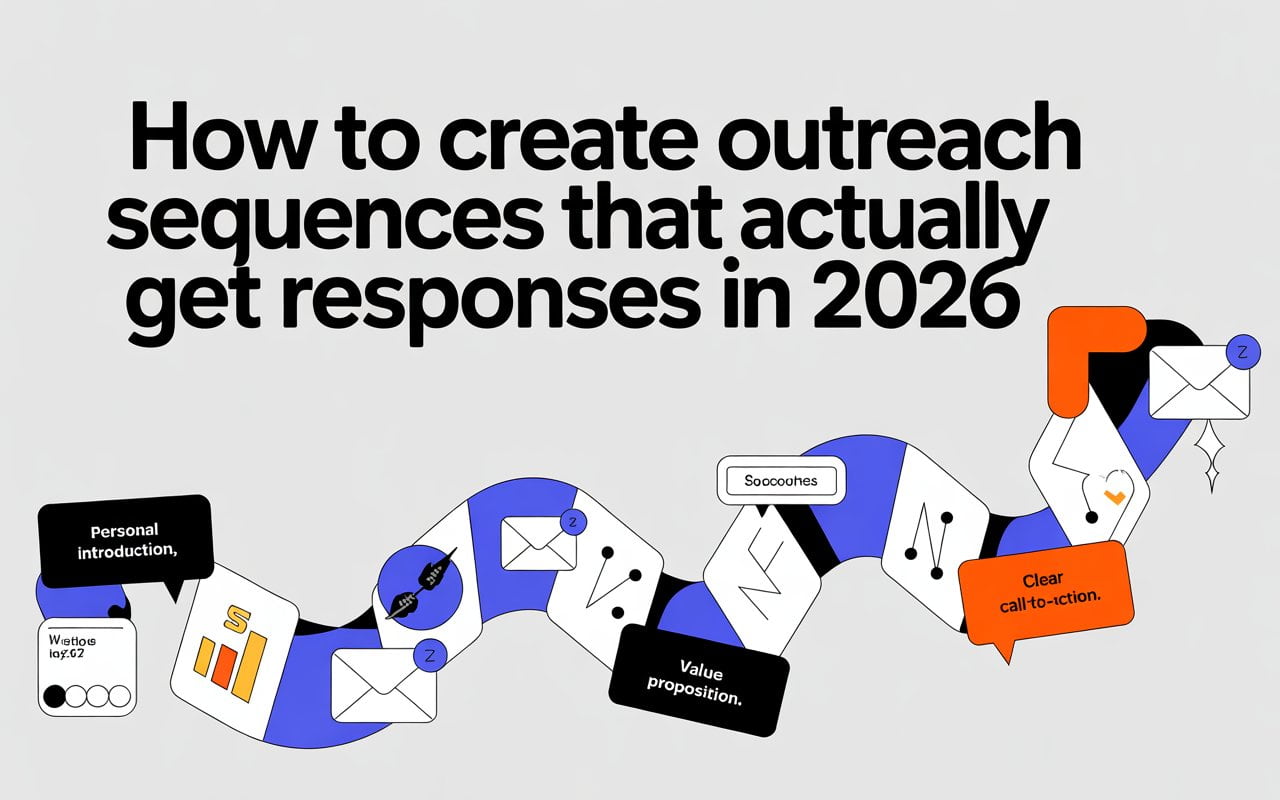
A simple example is a 5-step flow: intro email, value email, follow-up email, LinkedIn touch, and a final breakup message. Each step moves the prospect toward a reply through consistent, value-driven communication.
Can you explain how you create and implement outreach sequences for your prospects?
You research the prospect, define the goal, choose the right sequence type, and write personalized messages. Then you launch the sequence, monitor replies, and optimize based on performance signals.
How to activate sequence in Outreach?
You activate it by selecting the sequence, clicking “Add Prospects,” reviewing personalization, and hitting “Activate.” Outreach then begins sending messages based on your timing settings.
What is the 3-3-3 rule in marketing?
It means capturing attention in 3 seconds, delivering your core message in 3 lines, and ensuring the offer is understood in 3 minutes. It helps keep marketing communication sharp, simple, and fast.