You need to write 50 cold emails by end of day. Each one needs to feel personal, persuasive, and professional. But your brain’s running on fumes and your coffee’s gone cold.
You’re staring at a blank screen. Again.
Sound familiar?
Here’s the thing: AI tools for writing sales copy for cold emails have evolved beyond simple templates. They’re now sophisticated enough to craft compelling sales messages that actually get responses.
I’ve spent the last three weeks testing every major AI sales copywriting tool on the market. I fed them the same prompts, analyzed their outputs, and measured which ones actually understand persuasion.
This guide reveals which tools are worth your money (and which ones waste your time).
Why Most Cold Emails Fail (And How AI Fixes This)
Let’s talk truth.
95.9% of cold emails go unanswered. That’s not because your product sucks. It’s because your sales copy doesn’t connect.
Traditional cold email mistakes include:
- Generic openings that scream ‘mass email’ Learn all the pitfalls in our ultimate guide to cold email mistakes before automating with AI
- Feature dumps instead of benefit-driven copy
- No clear call-to-action
- Zero personalization beyond {{FirstName}}
AI for cold email outreach solves these problems when used correctly. The keyword here? When used correctly.
You can’t just type “write me a cold email” into ChatGPT and expect magic. You need the right tools, the right frameworks, and the right approach. For proven templates to enhance with AI, explore our cold email templates with high reply rates.
💡 Struggling with cold email deliverability?
We’ve built cold email infrastructure for 50+ B2B companies—achieving 40-60% open rates and 10-15 consultations monthly.
See how we can help →What Makes Great Sales Copy (AI or Human)
Before we dive into tools, let’s establish what actually works.
Great sales email copy follows proven frameworks:
AIDA Framework:
- Attention: Hook them in 3 seconds
- Interest: Show you understand their problem
- Desire: Paint the transformation
- Action: Make the next step obvious
PAS Framework:
- Problem: Identify their pain point
- Agitate: Make them feel it
- Solution: Position your offer
The best AI writing tools for sales understand these frameworks. They don’t just generate words—they apply persuasion psychology.
The 15 Best AI Tools for Cold Email Sales Copy
I’ve categorized these by use case so you can find what fits your needs.
Category 1: General AI Models (The Foundation)
1. ChatGPT-4o (Best for Quick Iterations)
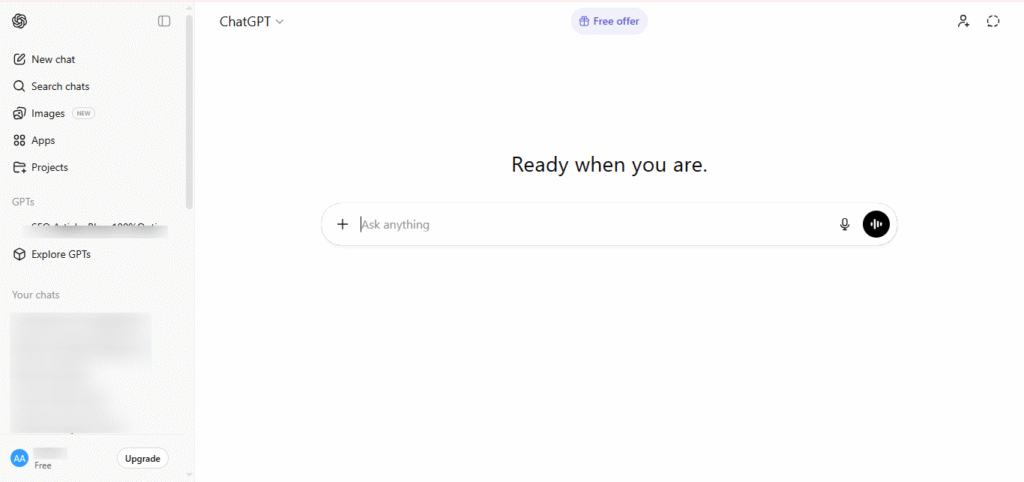
Price: $20/month (Plus plan)
ChatGPT-4o excels at rapid iteration. You can refine your cold email copy in real-time conversations.
Strengths:
- Lightning-fast response times
- Understands context from previous messages
- Great for brainstorming multiple angles
- Custom GPTs for sales-specific training
Weaknesses:
- Can sound generic without proper prompting
- No built-in personalization data
- Requires manual fact-checking
Best for: Solo entrepreneurs and small teams who need flexible, conversational AI.
Real Example: I asked ChatGPT-4o to write a cold email for a SaaS tool targeting marketing managers. First attempt? Generic. After three refinements using the AIDA framework? 10x better.
2. Claude 4.5 Sonnet (Best for Long-Form Copy)
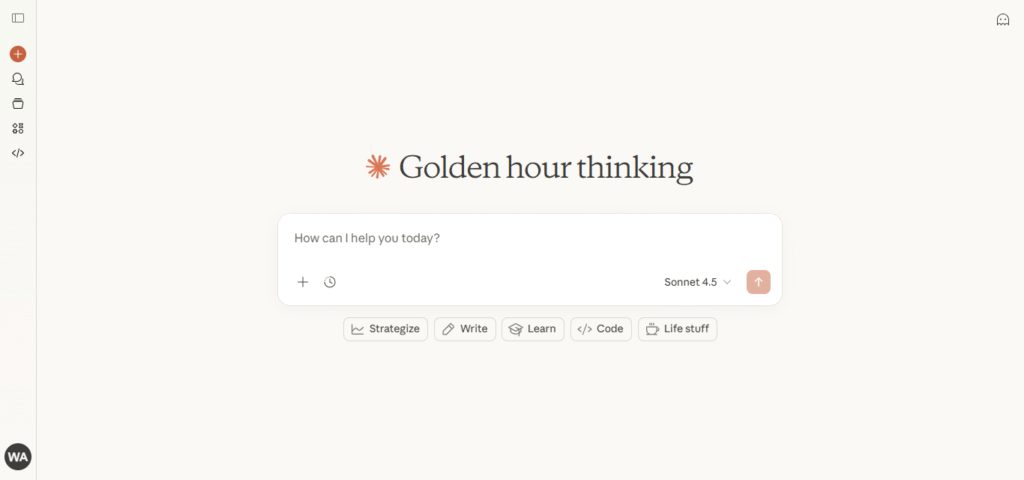
Price: $20/month (Pro plan)
Claude writes longer, more nuanced sales copy than ChatGPT. It’s better at maintaining voice consistency across email sequences.
Strengths:
- Superior writing quality
- Better at following complex instructions
- Excellent for email sequences (not just single emails)
- More natural, less robotic tone
Weaknesses:
- Slower than ChatGPT
- Monthly message limits
- Steeper learning curve
Best for: Agencies and teams creating comprehensive outreach campaigns.
3. Gemini 1.5 Pro (Best for Research Integration)
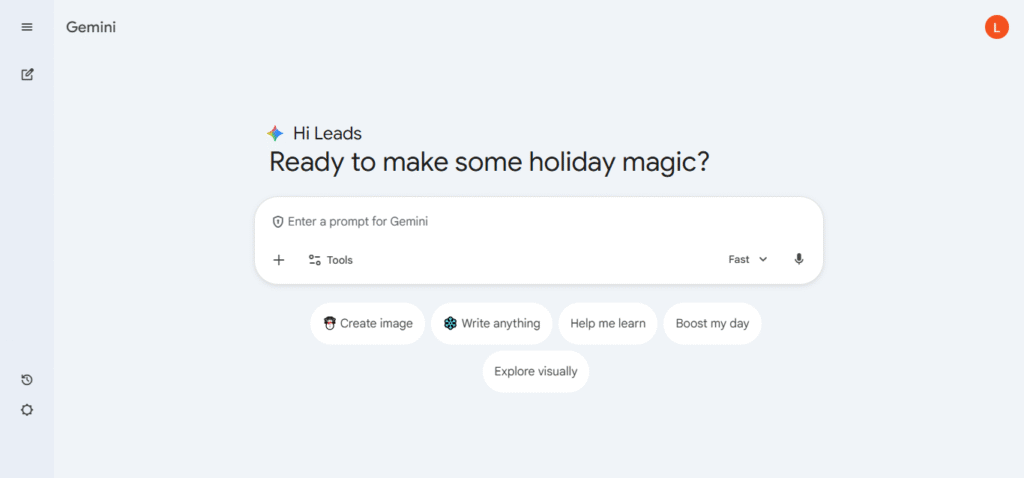
Price: Free (with limits) / $20/month (Advanced)
Gemini’s superpower? It can analyze competitor emails, research prospects, and craft personalized cold emails based on actual data.
Strengths:
- Can browse and research in real-time
- Integrates multiple data sources
- Strong analytical capabilities
- Free tier available
Weaknesses:
- UI less intuitive than competitors
- Occasionally verbose
- Limited third-party integrations
Best for: Research-heavy outreach where prospect intelligence matters.
Category 2: Specialized Cold Email AI Tools
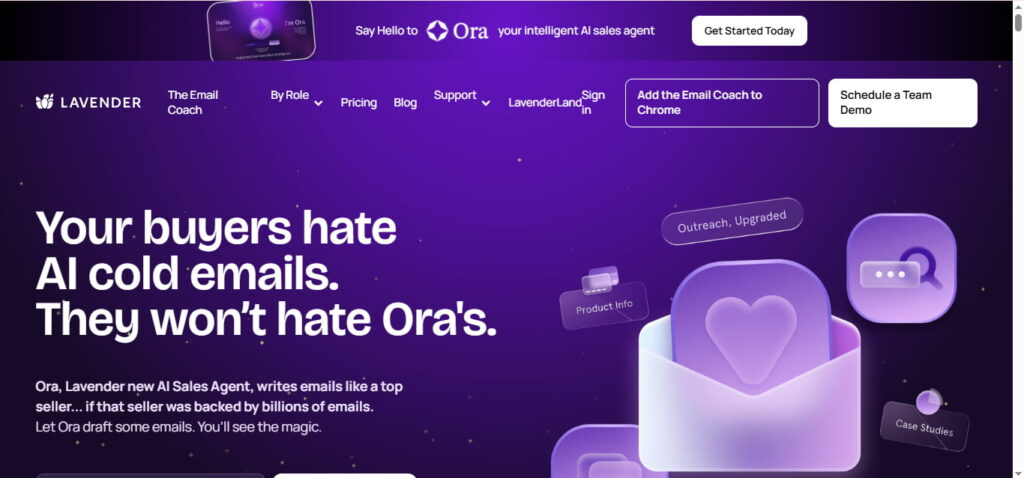
4. Lavender (Best for Real-Time Coaching)
Price: $29/month (Starter)
Lavender doesn’t just write emails—it coaches you. It scores your copy and explains why certain approaches work.
Strengths:
- Real-time email scoring
- Personality insights from LinkedIn
- Mobile optimization checks
- Teaches you copywriting principles
Weaknesses:
- Requires email client integration
- Learning curve for scoring system
- Can be overwhelming for beginners
Best for: SDRs who want to improve their cold email copywriting skills while using AI.
Users report 42% increase in reply rates after two months.
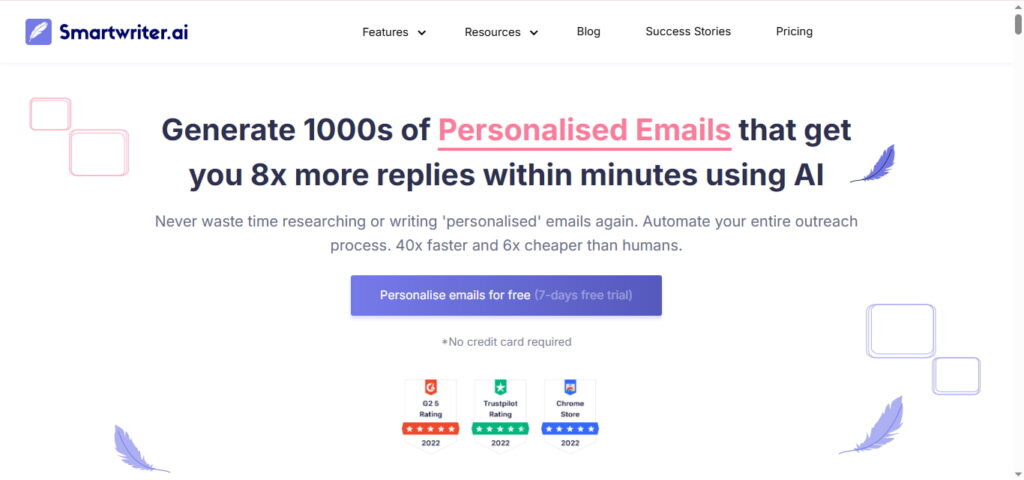
5. Smartwriter.ai (Best for Automated Personalization)
Price: $59/month (Basic plan)
Smartwriter researches prospects automatically and generates personalized sales emails at scale.
Strengths:
- Automatic prospect research
- Multiple personalization angles
- Icebreaker generation
- LinkedIn integration
Weaknesses:
- Can feel too automated
- Hit-or-miss personalization quality
- Requires manual review
Best for: High-volume outreach teams needing scale.
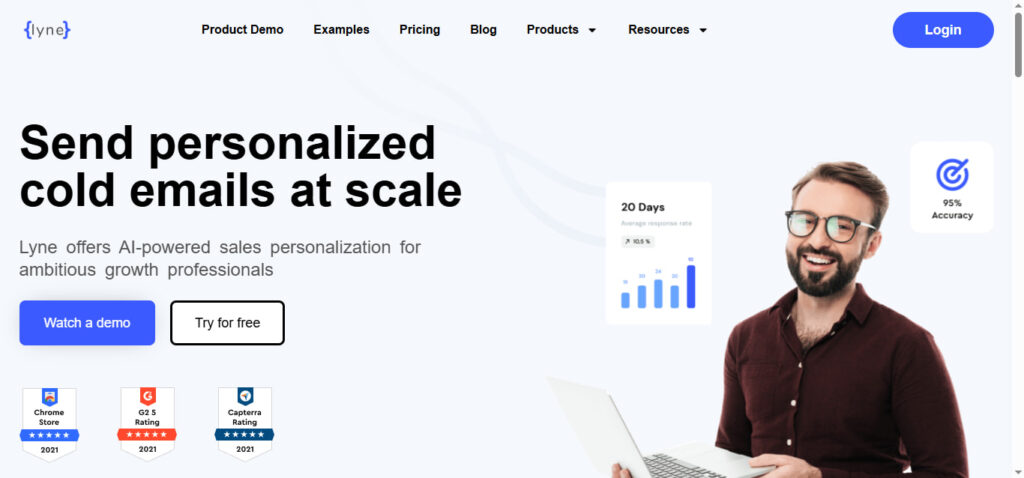
6. Lyne.ai (Best for Deep Research)
Price: $0.30 per personalized line
Lyne digs deeper than competitors. It finds blog posts, podcasts, and case studies to craft hyper-relevant cold email openers.
Strengths:
- 12+ personalization data points
- Discovers non-obvious insights
- Pay-per-use pricing model
- Chrome extension for LinkedIn
Weaknesses:
- Can be expensive at scale
- Sometimes finds irrelevant info
- Requires good filtering
Best for: High-value prospects where deep personalization matters.
7. Instantly.ai (Best for Campaign Automation)

Price: $30/month (Growth plan)
Instantly combines AI email writing with campaign management. It’s an all-in-one platform. For a comprehensive comparison, see our guide on cold email outreach software covering both AI-powered and traditional platforms.
Strengths:
- AI sequence generator
- Unlimited email accounts
- Built-in warmup
- Reply categorization with AI
Weaknesses:
- Jack of all trades, master of none
- Interface can be clunky
- Less sophisticated AI than standalone tools
Best for: Teams wanting one platform for everything.
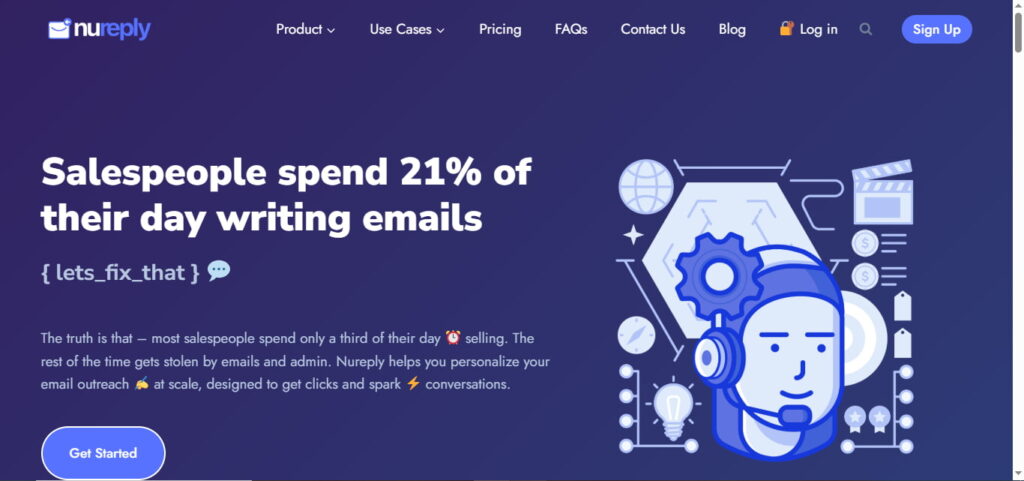
8. Nureply (Best for B2B Personalization)
Price: Custom pricing
Nureply specializes in B2B cold outreach with AI that understands enterprise sales cycles.
Strengths:
- Industry-specific templates
- Multi-touch sequence builder
- A/B testing built-in
- Real-time alerts
Weaknesses:
- Less flexible than general AI tools
- Pricing not transparent
- Smaller user community
Best for: B2B sales teams targeting enterprise accounts.
Category 3: Integrated Sales Platforms
9. Saleshandy (Best for Email Deliverability)
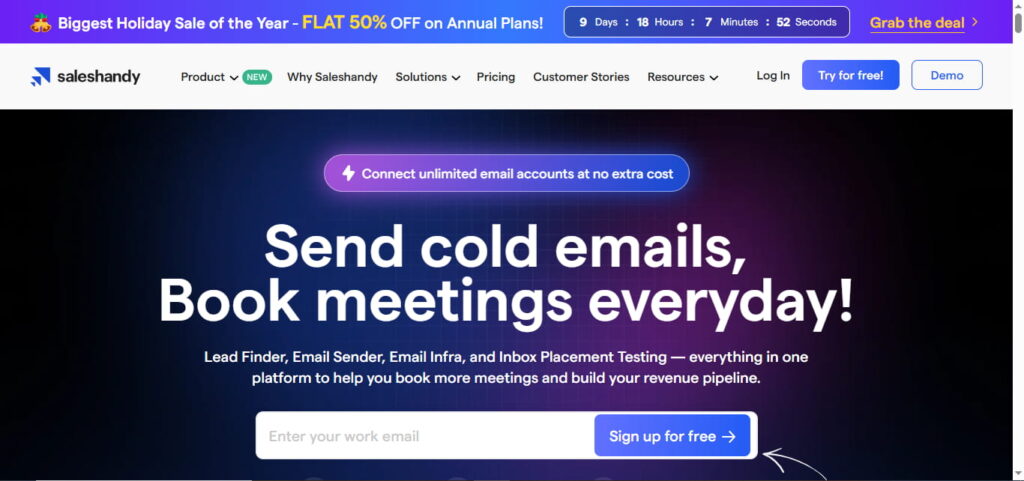
Price: $25/month (Outreach Starter)
Saleshandy’s AI focuses on keeping you out of spam folders while writing effective cold emails.
Strengths:
- AI spam checker for your copy
- Multiple email variants generator
- Deliverability monitoring
- Reply categorization
Weaknesses:
- AI writing less advanced than specialists
- Feature overload
- Steeper learning curve
Best for: Teams prioritizing deliverability over cutting-edge AI.
10. Lemlist (Best for Multichannel Outreach)
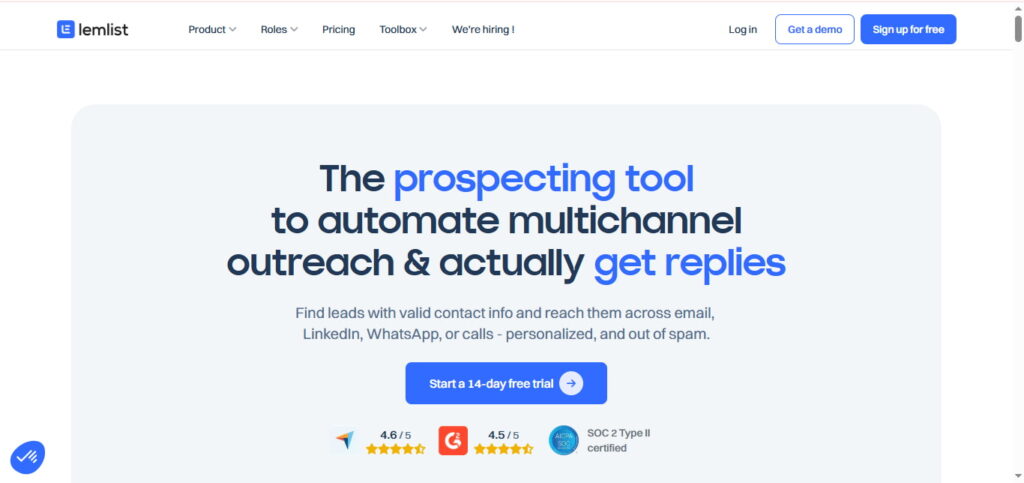
Price: $55/month (Email Pro)
Lemlist’s AI creates campaigns across email and LinkedIn with consistent messaging.
Strengths:
- Multichannel campaign creation
- 8 language support
- Custom merge tags with AI
- Video personalization
Weaknesses:
- 20 AI campaign limit per day
- Requires LinkedIn integration
- Can be pricey for solopreneurs
Best for: Teams doing LinkedIn + email outreach.
11. Reply.io (Best for AI Variables)
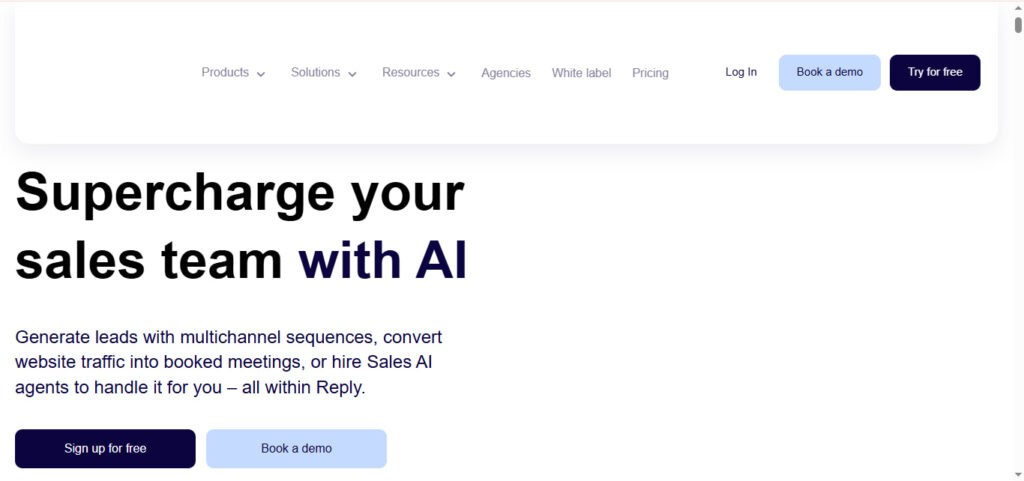
Price: Custom pricing
Reply.io creates dynamic personalization variables that adapt based on prospect data.
Strengths:
- Advanced AI variable system
- Multi-channel automation
- Strong CRM integrations
- Robust reporting
Weaknesses:
- Complex setup process
- Expensive for small teams
- Overkill for simple campaigns
Best for: Enterprise sales teams with complex workflows.
Category 4: Workflow Automation Tools
12. Clay (Best for Enrichment + Writing)
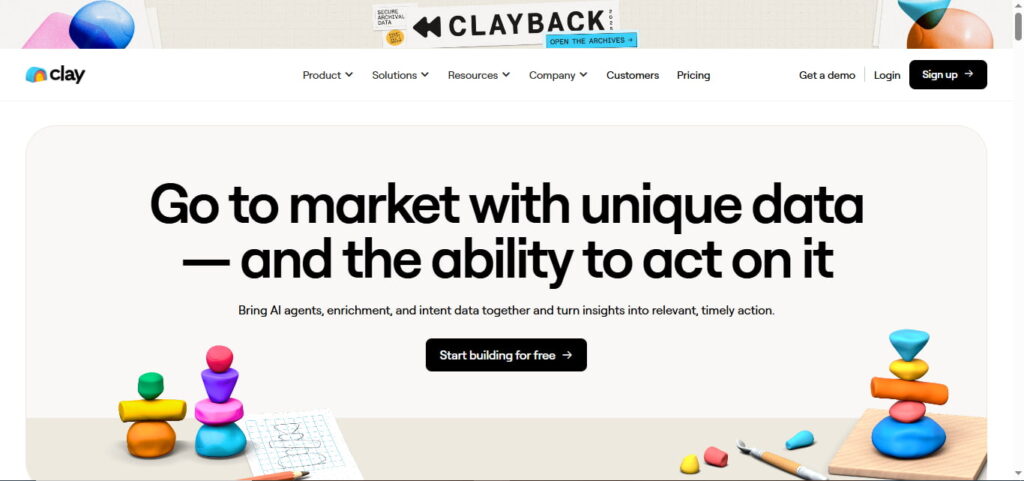
Price: $149/month (Starter)
Clay combines prospect research with AI copywriting. It enriches your data, then writes personalized emails based on what it finds.
Strengths:
- 75+ data enrichment sources
- Waterfall enrichment system
- AI writing based on enriched data
- Powerful workflow builder
Weaknesses:
- Steep learning curve
- Expensive compared to alternatives
- Requires technical knowledge
Best for: Data-driven teams comfortable with automation.
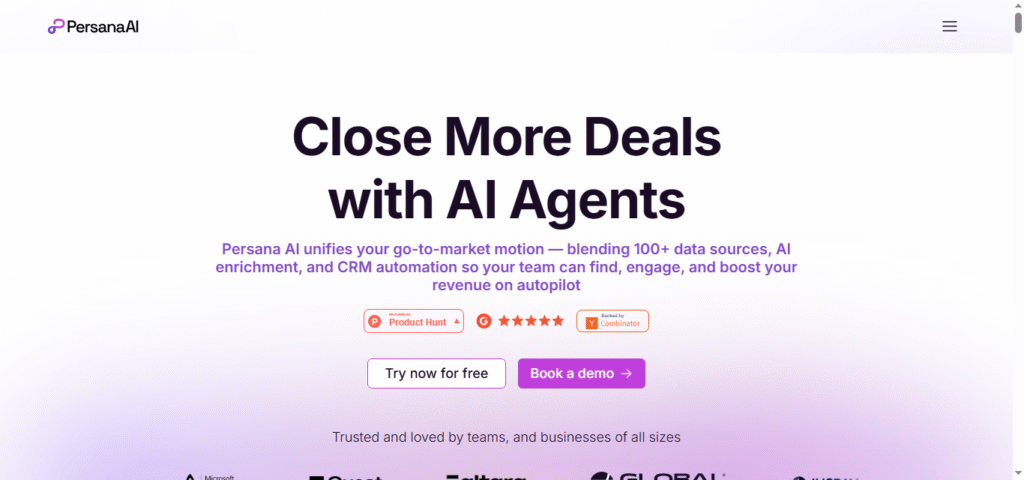
13. Persana AI (Best for Intent Signals)
Price: Custom pricing
Persana identifies buying intent signals and crafts cold emails based on what prospects are actually doing.
Strengths:
- 75+ buying intent indicators
- Job change alerts
- Funding round tracking
- AI agent handles 90% of SDR tasks
Weaknesses:
- High price point
- Requires data infrastructure
- Complex implementation
Best for: Enterprise teams with sophisticated sales tech stacks.
Category 5: Free Tools
14. Copy.ai (Best Free Option)

Price: Free (2,000 words/month) / $49/month (Pro)
Copy.ai offers solid AI-generated sales copy with a generous free tier.
Strengths:
- Actually useful free plan
- Pre-built workflows
- Battle-tested copywriting frameworks
- LinkedIn URL personalization
Weaknesses:
- Free tier limitations
- Can be template-y
- Less sophisticated than paid tools
Best for: Bootstrapped startups testing AI copywriting.
15. Compose.ai (Best Chrome Extension)
Price: Free
This Chrome extension provides AI writing assistance directly in Gmail and Google Docs.
Strengths:
- Completely free
- Works where you write
- Simple, clean interface
- No signup required
Weaknesses:
- Very basic functionality
- Limited personalization
- No advanced features
Best for: Casual users wanting basic AI help.
How to Actually Use These Tools (The Framework)
Having tools is useless without a system. Here’s my proven workflow for creating high-converting cold emails with AI.
Step 1: Define Your Framework
Choose your persuasion model first:
- AIDA for awareness-stage prospects
- PAS for problem-aware prospects
- BAB (Before-After-Bridge) for solution-aware prospects
Tell your AI tool which framework to use. This dramatically improves output quality.
Step 2: Provide Context (The Magic Ingredient)
Bad prompt: “Write a cold email about my SaaS product”
Good prompt: “Write a cold email using AIDA framework. Product: Email automation SaaS. Target: Marketing managers at 50-200 person companies struggling with manual follow-ups. Key benefit: Save 15 hours per week. Tone: Conversational but professional.”
Context makes or breaks AI-generated sales copy.
Step 3: Personalize at Scale
Use AI to research prospects, then inject findings into your copy. Tools like Lyne.ai and Smartwriter automate this.
But here’s the secret: Combine automated personalization with one manual touch. AI finds the data, you add the human insight.
Step 4: Humanize the Output
AI-written emails often suffer from telltale signs:
- “I hope this email finds you well” (delete this immediately)
- Overly formal language
- Perfect grammar (sometimes imperfect is more human)
- Generic enthusiasm
Fix these manually. Read your email aloud. If it sounds robotic, it is.
Step 5: Test and Iterate
A/B test AI-generated copy against your manual versions. Track:
- Open rates
- Reply rates
- Meeting booked rates
- Sentiment of replies
Most teams see 2-3x improvement with AI—but only after refining their prompts. Track your cold email open rates to benchmark AI performance against manual copy.
The $0 AI Cold Email Stack
Budget tight? Here’s how to get started without spending a dime.
Your Free Stack:
- ChatGPT Free – For basic copy generation
- Compose.ai – For writing assistance in Gmail
- Gemini Free – For prospect research
- Copy.ai Free Tier – For templates and frameworks
This combination covers 80% of what paid tools do. Upgrade when you’re sending 100+ emails weekly.
Common Mistakes (And How to Avoid Them)
Mistake #1: Trusting AI Blindly
AI hallucinates. It invents facts. Always verify claims before sending.
Mistake #2: Skipping the Human Review
Even the best cold email AI tools need human oversight. Budget 2-3 minutes per email for review and personalization.
Mistake #3: Ignoring Deliverability
Beautiful sales copy means nothing if it hits spam folders. Check your AI-generated copy for spam trigger words.
Mistake #4: One-Size-Fits-All Prompts
Different industries need different approaches. Refine your prompts for each vertical you target.
Mistake #5: Forgetting Follow-Ups
First email gets 15-25% open rate. Follow-ups get 50%+. Use AI to write entire sequences, not just initial outreach.
What’s Next for AI Sales Copywriting
The AI cold email space evolves monthly. Here’s what’s coming:
Voice-Based AI: Soon you’ll dictate your email concept and AI will write it based on your speaking style.
Hyper-Personalization: AI will analyze prospect’s writing style and mirror it in your outreach.
Real-Time Optimization: AI that rewrites your email based on what’s working this week across thousands of campaigns.
Video Integration: AI-generated personalized video messages at scale.
The tools I covered today will look primitive in 12 months. But the fundamentals—understanding your prospect, articulating value clearly, and making the next step obvious—those never change.
Final Verdict: Which Tool Should You Choose?
Here’s my honest recommendation based on team size and use case:
Solopreneur: Start with ChatGPT-4o ($20/month) + Compose.ai (free)
Small Team (2-5 people): Lavender ($29/month) for learning + Instantly.ai ($30/month) for scale
Growth Team (6-20 people): Claude 3.5 Sonnet ($20/month) + Lyne.ai (pay-per-use) + Saleshandy ($25/month)
Enterprise (21+ people): Clay ($149/month) + Persana AI (custom) + Reply.io (custom)
The best AI tool for writing cold emails isn’t the most expensive one. It’s the one you’ll actually use consistently and refine over time.
Start Writing Better Cold Emails Today
You don’t need to master all 15 tools. Pick one, learn its quirks, and commit to 30 days of testing.
Track your metrics. Refine your prompts. Compare AI-generated copy against your manual versions.
The AI tools for writing sales copy for cold emails space has matured enough that ignoring it puts you at a competitive disadvantage.
But remember: AI amplifies good strategy. It doesn’t replace understanding your customer, articulating clear value, or building genuine relationships.
Use AI as your research assistant and copywriting partner. Not as a replacement for thinking.
Your prospects deserve better than generic outreach. These tools help you deliver that—at scale.
Now stop reading and start writing. Your next customer is waiting for an email that actually speaks to them.
FAQs
What are the best AI tools for writing sales copy for cold emails?
ChatGPT, Claude, Lavender, and Lyne.ai are among the best tools for creating high-converting cold email sales copy.
Are there free AI tools for writing sales copy for cold emails?
Yes, tools like ChatGPT Free, Copy.ai (free plan), Gemini, and Compose.ai offer free options for cold email copywriting.
Is there a free AI cold email writer available?
Yes, ChatGPT Free and Copy.ai’s free tier can generate cold email drafts at no cost.
What are the best free AI tools for lead generation?
Gemini (for research), ChatGPT Free, Copy.ai, and Clay (limited trials) help with lead research and outreach.
How does AI help in cold email outreach?
AI improves outreach by generating personalized copy, researching prospects, and optimizing subject lines for higher reply rates.
What are the top free AI tools for sales teams?
ChatGPT Free, Copy.ai, Compose.ai, and Gemini provide strong free support for sales copy and prospect research.
What is a cold email AI tool?
A cold email AI tool is software that uses artificial intelligence to write, personalize, and optimize outreach emails for better conversions.
Which AI is best for writing cold emails?
ChatGPT-4o is best for fast iterations, Claude for full sequences, and Lavender for coaching and reply-rate optimization.
Which AI tool is best for writing emails?
ChatGPT-4o for flexibility, Claude for long-form quality, and Copy.ai for ready-to-use templates.
Is it okay to use AI as a copywriter?
Yes—AI speeds up research and drafting, but human editing is essential for personalization and accuracy.
What is the best AI tool for sales?
Clay and Persana AI are the most powerful for sales because they combine data enrichment, intent signals, and automated outreach.
What is the best sales AI tool for 2025?
For most teams, the winning stack is ChatGPT or Claude for copy, Lyne.ai for personalization, and Saleshandy or Instantly for sending.
What is the 10 20 70 rule for AI?
10% is the tool, 20% is the prompt, and 70% is the data, context, and strategy you provide.
Ready to Fix Your Cold Email?
🛡️ We guarantee 10 consultations in 60 days or work free.
⭐⭐⭐⭐⭐ 50+ clients | 2.4M emails sent | 3.2% reply rate
What you get:
✅ Complete infrastructure (30 emails, 10 domains)
✅ 10,000 personalized emails monthly
✅ First consultations in 5-6 weeks
2 spots left for February 2026