Lead Generation is the backbone of modern business, nonprofit, and educational growth. In 2025, organizations that master lead generation strategies outperform competitors by attracting, engaging, and converting high-quality prospects. Effective lead generation relies on structured planning, multi-channel execution, and continuous optimization using analytics and logic.
Why Lead Generation Matters in 2025
Lead Generation impacts every aspect of organizational growth:
- Revenue and Donations: Companies with structured lead generation report 133% higher revenue than those without (MarketingSherpa).
- Cost Efficiency: Digital lead generation methods cost 61% less than outbound tactics like cold calling.
- Conversion Quality: Nurtured leads produce 50% more sales-ready opportunities.
- Audience Insights: Analytics from lead generation campaigns reveal demographics, engagement behavior, and interest levels.
- Brand Authority: Organizations that consistently provide value through content, email, and campaigns build long-term trust and loyalty.
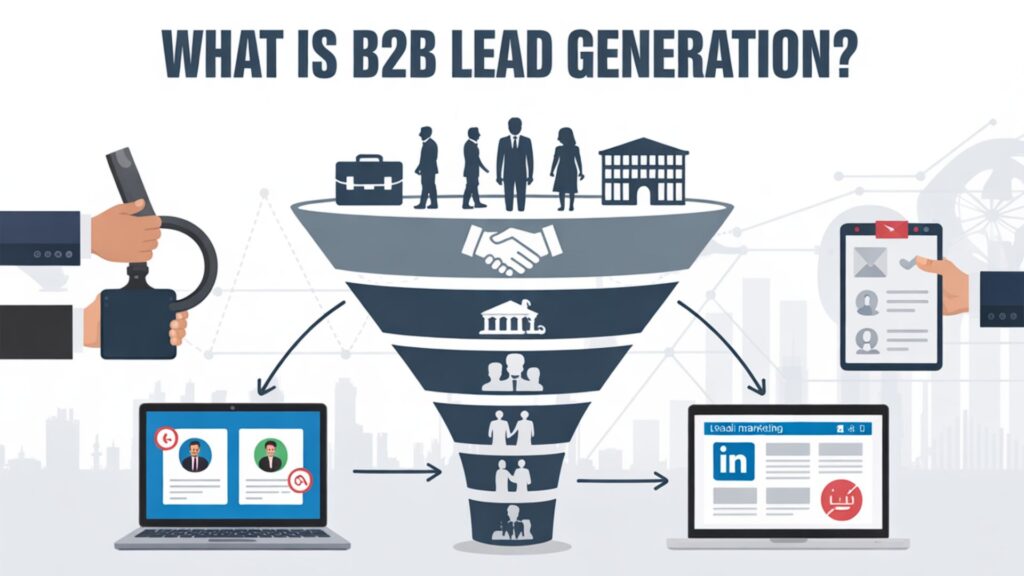
The goal of lead generation is simple: capture interest, nurture it, and convert prospects into customers, donors, or supporters.
Top Lead Generation Methods
1. Content Marketing
Content marketing is essential for organic lead generation. Providing high-value content establishes credibility and attracts engaged prospects. DemandMetric reports that content marketing generates 3× more leads at 62% lower cost than outbound marketing.
- Create blogs, guides, ebooks, and checklists addressing audience problems.
- Use gated resources to capture emails and other contact information.
- Share real-life case studies to demonstrate results.
- Leverage storytelling to create emotional engagement.
Case Study: A nonprofit providing scholarship guidance released a free ebook and captured 1,200 qualified leads in 3 months. Logic: Offer value first, request contact second.

2. Email Marketing
Email marketing is a highly effective lead nurturing channel. Campaign Monitor reports an ROI of 38:1. Structured sequences convert interested leads into active participants.
- Segment audiences by interest, behavior, and demographics.
- Design automated drip campaigns for awareness, education, and conversion.
- Personalize messages to boost engagement and open rates.
- Test subject lines, send times, and formats to optimize performance.
Case Study: A nonprofit running online workshops used a welcome → educational content → signup email sequence, increasing signups by 42% and reducing unsubscribes by 30%.
3. Social Media Lead Generation
Social media platforms provide targeted lead generation opportunities. 73% of marketers report higher engagement and lead capture through social channels (Statista).
- LinkedIn for B2B leads and thought leadership campaigns.
- Instagram and Facebook for B2C engagement and community building.
- Use interactive content like polls, quizzes, stories, and live sessions.
- Track analytics to improve targeting and conversion.
Mini Case Study: A volunteer nonprofit ran Instagram interactive campaigns, increasing signups by 58%.
4. Paid Advertising (PPC)
Paid campaigns provide immediate results. Average Google Ads conversion rates are 4.4%, but optimized campaigns can achieve much higher performance.
- Target high-intent searches on Google, LinkedIn, or social platforms.
- Use A/B testing for headlines, creatives, and CTAs.
- Optimize landing pages for clarity and conversion.
- Monitor ROI and adjust campaigns based on data.
Example: A B2B company ran LinkedIn ads targeting mid-sized businesses. CTR improved by 35% after testing multiple creatives.
Lead Generation Channels in 2025
Multi-channel lead generation ensures prospects are reached at different stages of the buyer or supporter journey:
- Website & Landing Pages: Capture leads through optimized forms and landing pages.
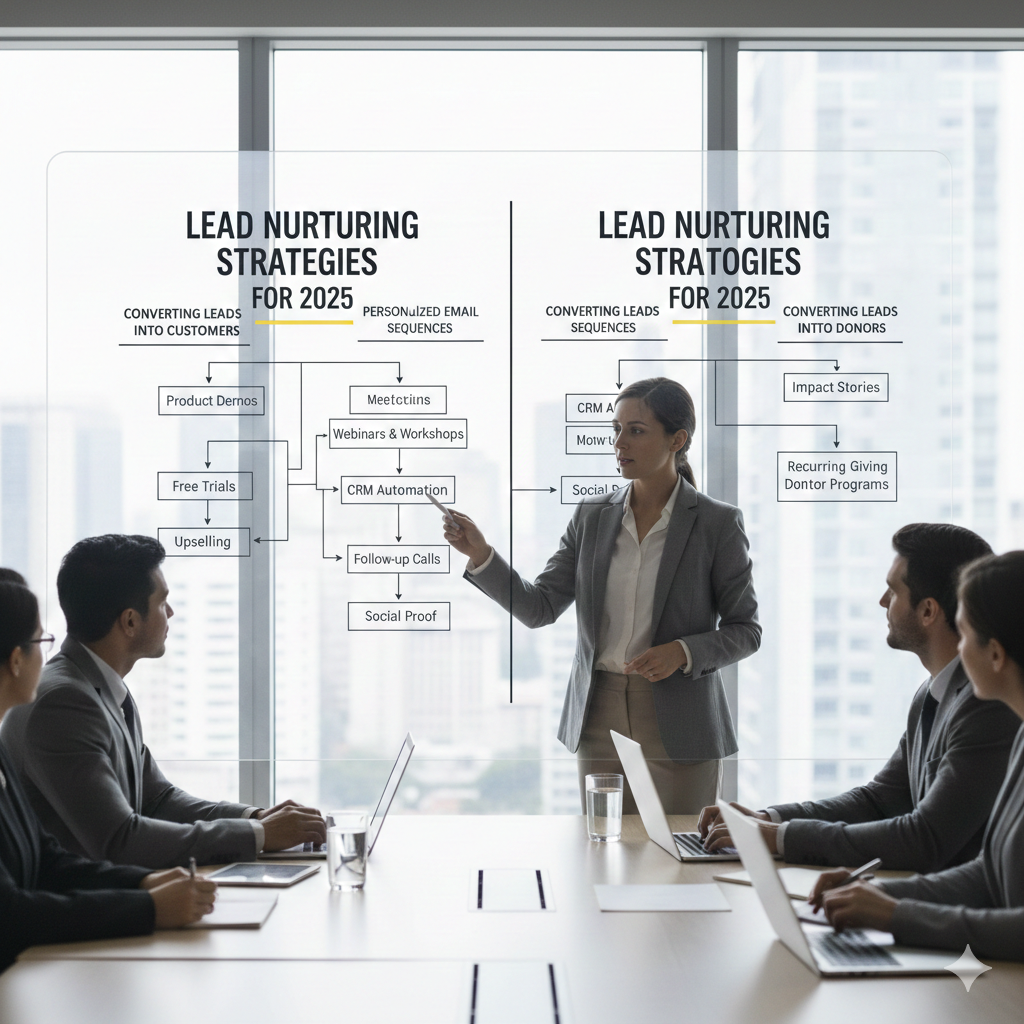
- Email Campaigns: Nurture leads with targeted content sequences.
- Social Media: Build awareness, engage, and direct traffic to conversion pages.
- Webinars & Events: Capture highly engaged leads and collect detailed interest data.
- Paid Ads: Amplify reach quickly and direct targeted traffic.
- Content Syndication: Share resources via partners or educational platforms for additional exposure.
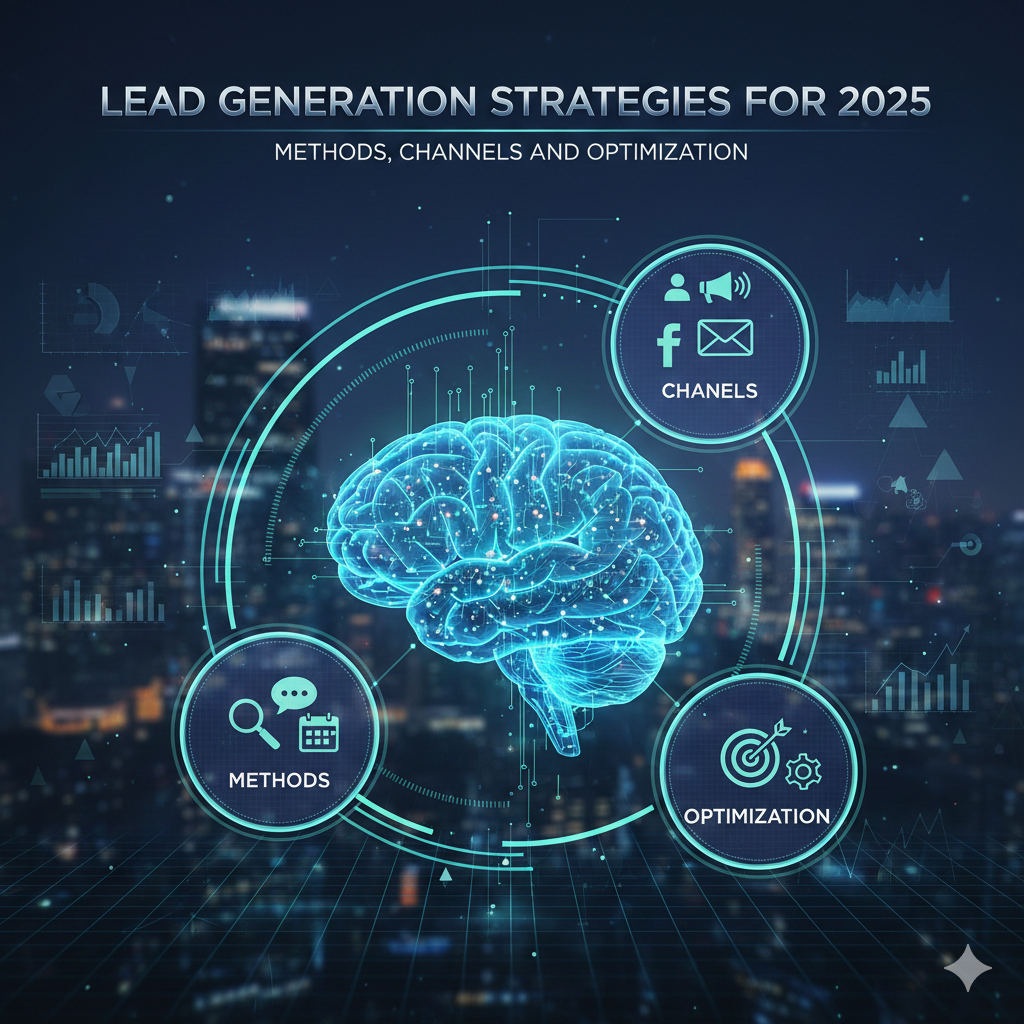
Logic: Each channel contributes to lead acquisition, nurturing, or conversion, creating a cohesive lead generation system.
Lead Generation Best Practices
- Create detailed audience personas using demographic and behavioral data.
- Craft clear, actionable CTAs for every touchpoint.
- Implement multi-step nurturing workflows for logical lead progression.
- Track all key metrics: CTR, conversion rate, cost per lead (CPL), and ROI.
- Continuously iterate campaigns based on insights from analytics.
- Use retargeting to engage visitors who didn’t convert initially.
- Prioritize high-quality leads through lead scoring models.
Optimizing Lead Generation with Analytics
Data-driven optimization ensures every lead generation effort is efficient and effective:
- Monitor CTR, open rates, bounce rates, and conversion performance.
- Test variations of headlines, CTAs, landing pages, and workflows.
- Segment leads for personalized communication and higher engagement.
- Analyze heatmaps and session recordings to understand user behavior.
- Adjust campaigns in real-time to maximize ROI.
Mini Case Study: An NGO tested two landing page headlines for a fundraising campaign. Version B, highlighting donor impact, increased conversions by 47%.
Emerging Lead Generation Trends in 2025
- AI and Predictive Analytics: Predict lead quality and behavior for better targeting.
- Interactive Content: Quizzes, calculators, and tools boost engagement and capture.
- Video Marketing: Short, educational, and tutorial videos increase engagement and retention.
- Omnichannel Personalization: Integrate email, social, and paid channels for cohesive experiences.
- Privacy Compliance: GDPR and data protection regulations require ethical collection and consent management.
Conclusion: Mastering Lead Generation
Lead Generation in 2025 is both an art and a science. Organizations that combine structured logic, multi-channel strategies, continuous testing, and analytics consistently outperform competitors. Applying these strategies ensures higher engagement, better lead quality, and sustainable growth.
By integrating content marketing, email campaigns, social media, paid advertising, analytics, and emerging trends, organizations can establish a robust lead generation system that converts potential leads into loyal supporters, donors, or customers.