Sending emails that actually reach your recipients’ inbox can feel like navigating a maze. Many marketers struggle to send emails without getting blocked, even when their messages are well-crafted. The problem often lies with email deliverability, poor sender reputation, or failing to follow proper cold email outreach practices.
Internet Service Providers and email service providers (ESP) have strict rules to protect users from spam, and breaking them even unintentionally can land your emails in the spam folder. In this guide, you’ll learn how to avoid common pitfalls, maintain a strong sender reputation, and ensure your campaigns consistently reach the intended audience while maximizing engagement.
Why Your Emails Get Blocked
Emails often get blocked when ESPs detect suspicious activity. High bounce rates, numerous spam complaints, and unverified email addresses are common triggers. Even sending bulk cold emails too quickly without warming up accounts can harm your sender reputation. Understanding these issues helps prevent future problems.
Sometimes, blocked emails happen simply due to poor content. Messages that contain spammy phrases or broken links trigger spam filters. Without proper email authentication and dedicated email domains, ESPs may flag your emails as unsafe. Recognizing these causes is the first step to sending emails that actually reach your audience.
💡 Struggling with cold email deliverability?
We’ve built cold email infrastructure for 50+ B2B companies—achieving 40-60% open rates and 10-15 consultations monthly.
See how we can help →Understanding Cold Emails and Deliverability
Cold emails are messages sent to recipients without prior interaction. They are vital for B2B marketing, lead generation, and expanding your business reach. But delivering them successfully requires attention to email deliverability, which measures whether your messages land in inboxes. Low deliverability means wasted time and effort.

To improve results, you must personalize cold emails for better engagement. Emails with generic content often get ignored or marked as spam. Monitoring email metrics like bounce rate and spam complaints helps identify issues early. When you understand how deliverability works, you can adjust strategies and avoid blocking by ESPs.
The Role of Sender Reputation
Sender reputation is like your trust score with ESPs. High reputation improves inbox placement, while poor reputation can lead to email blacklists. Factors affecting reputation include spam complaints, high bounce rates, and sending emails from unverified accounts. Maintaining a strong reputation is essential for ongoing cold email outreach.
Regularly checking your sender score and using email warm-up tools helps build credibility. Gradually scaling campaigns and adhering to cold email best practices ensures your messages remain trusted. In 2026, ESPs actively monitor metrics, making sender reputation more important than ever for successful campaigns.
Technical Setup to Avoid Blocks
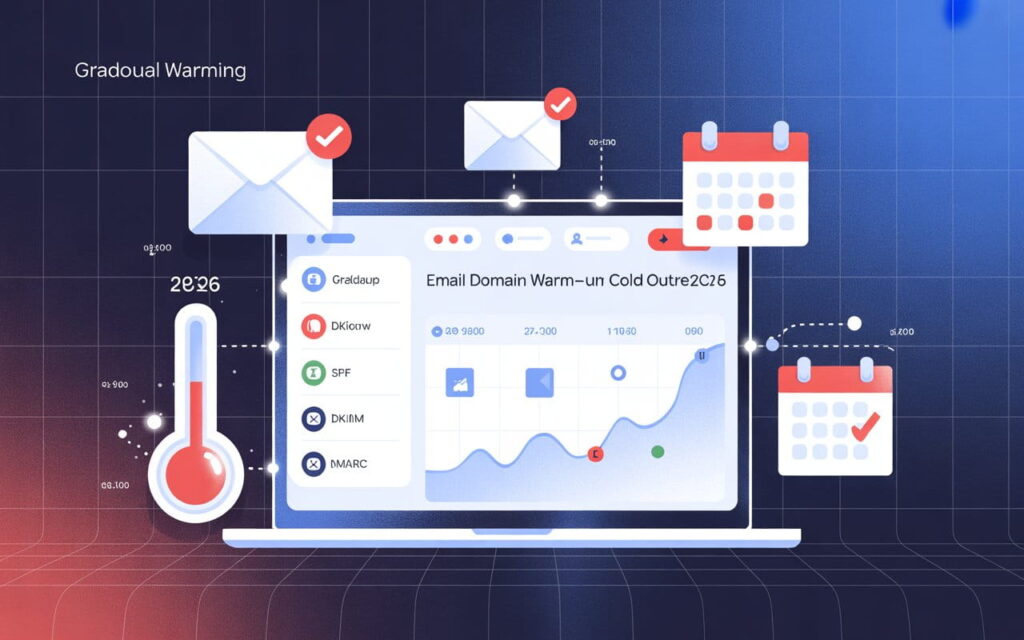
Proper setup prevents most email delivery issues. Begin with email authentication using SPF, DKIM, and DMARC, which proves your messages are legitimate. Using a dedicated email domain separates cold email campaigns from your main business domain, protecting its reputation. Choosing a reliable email service provider (ESP) ensures smooth sending and tracking.
Automated email warm-up tools for high deliverability help new accounts gain trust gradually. Starting small, sending 10–20 emails per day, and then scaling slowly prevents being blocked. A technical foundation is the backbone for any safe and successful email campaign.
Email List Management Best Practices
Building a clean list is crucial. Only use verified addresses and remove inactive contacts. This reduces bounce rate and prevents spam flags. Using lead finder tools ensures email list hygiene and helps target the right audience. Segmentation improves engagement and makes your cold email outreach more effective.
Continuously updating and cleaning your list prevents future issues. Following cold email deliverability checklist steps guarantees a reliable database. A clean, verified email list directly supports better email deliverability and protects sender reputation.
Crafting Emails That Don’t Trigger Spam Filters
Content matters. Avoid spammy words and overly promotional phrases. Clear, concise, and engaging messaging increases inbox placement. Always include an unsubscribe link to meet legal requirements like CAN-SPAM, GDPR, CASL. Personalization, such as addressing the recipient by name and including relevant details, improves engagement.
Formatting is equally important. Keep emails text-focused, limit links, and use short paragraphs. Before sending, spam-test emails before launching campaigns to catch potential problems. Small changes can dramatically improve deliverability and reduce complaints.
Warming Up Your Email Account
New or inactive email accounts require gradual sending. Start by sending a few emails per day to trusted contacts. Using automated email warm-up tools for high deliverability accelerates the process. Gradually increasing volume and monitoring responses helps maintain high sender reputation.
Warming up accounts prevents blocks and blacklists. ESPs reward consistent and responsible sending patterns. This step ensures your bulk cold emails reach recipients safely without being flagged as spam.
Monitoring and Optimizing Your Email Campaigns
Tracking is essential. Monitor email metrics like bounce rate and spam complaints to adjust your campaigns. Open rates, reply rates, and engagement help assess effectiveness. When numbers drop, it’s time to analyze content, sending patterns, and email list hygiene.
Regular monitoring allows you to gradually scale email campaigns confidently. Using dashboards and tracking tools provided by ESPs or cold email platforms ensures your campaigns remain compliant and optimized for inbox delivery.
Best Practices for Cold Emailing in 2026
Follow strict rules. Use dedicated domains and IP addresses for outreach to protect your main domain. Personalize content and avoid spammy language. Ensure every email complies with CAN-SPAM, GDPR, CASL, including an unsubscribe link and valid business address.
Applying cold email best practices consistently improves response rates and email deliverability. Periodically remove inactive contacts with a sunset policy and test new campaigns with small groups before scaling. In 2026, these practices are key to safe and effective cold email campaigns.
Troubleshooting and Fixes for Blocked Emails
Blocked emails can result from poor content, technical issues, or reputation problems. Check SPF, DKIM, DMARC records and correct any errors. Review email formatting, avoid spammy language, and ensure email authentication is complete.
If blacklisted, work with your ESP to recover, remove invalid addresses, and rebuild reputation. Following a cold email deliverability checklist prevents future blocks. Continuous improvement and monitoring ensure long-term success in cold email outreach.
Table: Quick Cold Email Deliverability Checklist
| Step | Action |
| 1 | Use dedicated domains and IP addresses for outreach |
| 2 | Implement SPF, DKIM, DMARC |
| 3 | Build a clean and verified email list |
| 4 | Personalize cold emails for better engagement |
| 5 | Avoid spammy content and test before sending |
| 6 | Warm up accounts gradually using tools |
| 7 | Monitor email metrics like bounce rate and spam complaints |
| 8 | Ensure privacy compliance with unsubscribe link |
FAQs
Q: How to send emails without being blocked?
A: Use proper email authentication (SPF, DKIM, DMARC), warm up your domain, maintain a clean list, and avoid spam-triggering content.
Q: How to prevent email from getting blocked?
A: Verify contacts, send gradually, personalize messages, and monitor bounce and spam complaint rates regularly.
Q: How to send 10,000 emails at once?
A: Use a dedicated domain, multiple warmed-up inboxes, proper email infrastructure, and send in controlled batches instead of all at once.
Q: Can you send emails if you are blocked?
A: No, if someone blocks you, your emails will not reach their inbox unless they manually unblock you.
Q: Is there any way to message someone who blocked you?
A: The only legitimate way is to ask them to unblock you, as bypassing blocks violates platform rules and privacy policies.
Q: What is the +1 email trick?
A: The +1 trick involves slightly modifying an email address (e.g., name+1@gmail.com) to create tracking variations while keeping the same inbox.
Q: Will Gmail send if blocked?
A: Gmail may send the email, but it will not appear in the recipient’s inbox if they have blocked your address.
Q: How to override being blocked on iPhone?
A: You cannot override a block on iPhone; only the person who blocked you can remove the restriction.
Ready to Fix Your Cold Email?
🛡️ We guarantee 10 consultations in 60 days or work free.
⭐⭐⭐⭐⭐ 50+ clients | 2.4M emails sent | 3.2% reply rate
What you get:
✅ Complete infrastructure (30 emails, 10 domains)
✅ 10,000 personalized emails monthly
✅ First consultations in 5-6 weeks
2 spots left for February 2026