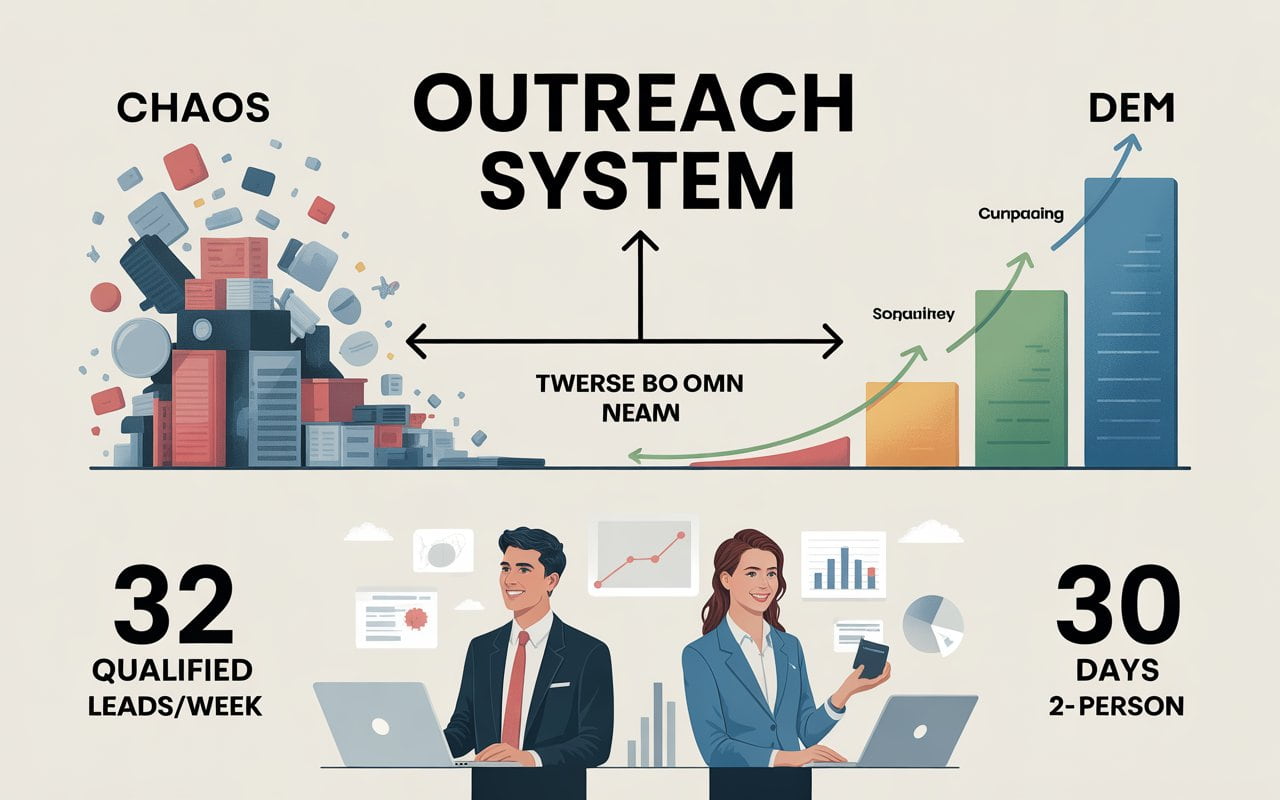
Building a successful outreach system is essential for small teams looking to grow without overwhelming resources. Many teams struggle to generate leads, follow up consistently, or track responses effectively. A well-structured outreach workflow ensures your messages reach the right prospects, improves email engagement, and strengthens relationships over time. Understanding B2B lead generation fundamentals provides the foundation for building this system..
By combining personalization, automation, and clear processes, even a small team can manage large-scale campaigns efficiently. Understanding prospect targeting, implementing CRM tools, and following email marketing best practices are key steps to creating a system that consistently delivers results. This guide will show you how to set up an outreach system that truly works.
1. Define Your Outreach Goals Clearly
Before you send a single email, you need to know exactly what you want to achieve. Are you trying to generate leads, build partnerships, or increase product awareness? Defining clear goals ensures that every outreach message is purposeful. Without specific objectives, teams often waste time sending random messages with little impact. Small teams benefit from focusing on a few measurable goals, such as increasing response rates by 20% or booking a certain number of calls per month. Clear goals also make it easier to track performance and adjust your strategy over time.Before diving into tactics, it’s worth conducting a B2B lead generation audit to understand where your current efforts stand and identify gaps in your approach
2. Identify Your Ideal Customer Profile (ICP)
Successful outreach starts with knowing exactly who you want to reach. An Ideal Customer Profile (ICP) outlines the characteristics of your perfect audience, including job titles, industry, company size, and geographic location. Small teams should invest time in research to ensure that every contact in their list aligns with this profile. Reaching out to the wrong audience wastes time and reduces engagement. Tools like LinkedIn Sales Navigator for lead generation or Crunchbase can help identify prospects that fit your ICP, allowing you to focus efforts where they matter most.
💡 Struggling with cold email deliverability?
We’ve built cold email infrastructure for 50+ B2B companies—achieving 40-60% open rates and 10-15 consultations monthly.
See how we can help →3. Build a High-Quality Prospect List
Once you know your ICP, you need a list of contacts. Accuracy and relevance are more important than quantity. Collect data from reliable sources and ensure emails are verified to reduce bounce rates. Small teams can leverage tools like Hunter.io, Apollo, or Skrapp to extract verified email addresses efficiently. A well-maintained prospect list forms the backbone of your outreach system. Learn how to build a prospect list for high conversions to ensure you’re targeting the right contacts from day one. Avoid purchasing generic lists; instead, focus on building a list tailored to your goals and audience to increase engagement and response rates.

4. Craft Personalized Outreach Messages
Generic templates rarely work. Personalized outreach shows that you understand the prospect’s needs and increases the likelihood of a response. Reference specific details about their company, role, or recent achievements. Small teams can create reusable frameworks that allow personalization without reinventing the wheel for every message. Personal touches like addressing the prospect by name, mentioning recent news, or highlighting a relevant solution make your outreach feel thoughtful rather than automated. Master how to personalize your cold emails at scale without sacrificing authenticity. This approach builds trust and improves response rates significantly.
5. Automate Outreach Without Losing Personalization
Automation tools like Mailshake, Lemlist, or Outreach.io allow small teams to scale their efforts while maintaining personalization. Sequence-based campaigns can automatically follow up with prospects, saving time and reducing manual work. However, automation should never compromise authenticity. Each email should still feel personal, not robotic. Using dynamic fields and conditional messaging ensures that your outreach system is efficient yet human. A thoughtful automation strategy enables small teams to handle more prospects without sacrificing quality or engagement.
6. Establish a Consistent Follow-Up System
Follow-ups are crucial in outreach. Many leads respond only after multiple touchpoints. Small teams should design a clear follow-up sequence with 3–5 touchpoints, spread over days or weeks. Timing is key: too frequent, and it feels spammy; too rare, and prospects forget you. Documenting each touchpoint in a CRM system ensures no contact is missed. Consistency in follow-ups shows professionalism and increases the chances of a response, helping small teams maximize their limited resources effectively.
7. Track Metrics and Measure Success
Without metrics, it’s impossible to know if your outreach is working. Small teams should monitor open rates, response rates, reply quality, and conversion rates. Tools like HubSpot, Salesforce, or Pipedrive provide insights into which messages perform best. Analyzing data helps identify bottlenecks and optimize messaging, timing, or targeting. Tracking key performance indicators ensures your outreach system evolves over time, making your team smarter and more effective with each campaign.
8. Optimize Your Outreach Workflow
Small teams often juggle multiple tasks, making workflow efficiency crucial. Define clear roles, responsibilities, and timelines for each step of the outreach process. Use project management tools like Trello, Asana, or ClickUp to assign tasks, track progress, and collaborate seamlessly. Streamlined workflows reduce errors, improve communication, and ensure that no prospect falls through the cracks. Optimization also allows small teams to scale efforts without overloading staff, keeping outreach consistent and reliable.
9. Handle Responses Professionally
When prospects reply, how your team responds can make or break the opportunity. Prompt, polite, and helpful responses increase trust and engagement. Small teams should establish templates for common questions but customize responses to address the prospect’s unique situation. Logging interactions in your CRM ensures that every team member is aware of the conversation history, allowing for smooth follow-ups and personalized engagement. Handling responses professionally helps build long-term relationships rather than one-off contacts.
10. Continuously Improve and Iterate
No outreach system is perfect from the start. Small teams should regularly review campaigns, test new subject lines, tweak messaging, and refine targeting. A/B testing emails, adjusting follow-up timing, or experimenting with different value propositions can significantly boost results. Continuous learning and adaptation make your outreach system more efficient and effective over time. By monitoring performance and making small improvements consistently, even a small team can achieve outreach success comparable to much larger organizations.
Conclusion
Building an effective outreach system is achievable for small teams if they focus on strategy, personalization, automation, and consistent follow-ups. By defining goals, researching prospects, crafting messages thoughtfully, and continuously improving, small teams can scale their outreach and achieve impressive results. With the right tools, processes, and attention to detail, a small team can compete with larger organizations and turn outreach into a reliable growth engine.
FAQs
What is automated outreach?
Automated outreach uses tools to send personalized messages and follow-ups to prospects on a schedule. It saves time while maintaining consistent communication with your audience.
How to build an outreach strategy?
Start by defining goals, identifying your target audience, and creating personalized messages. Combine a clear follow-up sequence with tracking metrics to optimize results.
What is the AI feature of outreach?
AI features analyze responses, suggest personalized content, and optimize sending times to improve engagement. It helps small teams scale campaigns efficiently.
What is an outreach system?
An outreach system is a structured process for connecting with prospects, managing follow-ups, and tracking results. It ensures consistent communication and maximizes lead conversion.
What is the 3 3 3 rule in marketing?
The 3 3 3 rule suggests reaching a prospect three times in three different ways over three days. It balances persistence without overwhelming your audience.
How to set up an outreach program?
Define objectives, create a prospect list, craft personalized messages, and implement follow-ups using tools. Monitor metrics regularly to refine and improve the program.
Q: What is an outreach system?
An outreach system is a structured process for identifying prospects, sending personalized messages, automating follow-ups, and tracking responses to consistently generate qualified leads and book meetings.
Q: What tools are used for outreach?
The most popular outreach tools are Saleshandy and Instantly.ai (cold email), Apollo.io (prospecting + outreach), LinkedIn Sales Navigator (social outreach), HubSpot or Pipedrive (CRM), and Trello or Asana (workflow management).
Q: Who are Outreach.io’s competitors?
Outreach.io’s main competitors are Reply.io, Salesloft, Apollo.io, Saleshandy, and Klenty — all offering similar sales engagement features at varying price points, with Saleshandy being the most affordable alternative.
Q: How much does Outreach CRM cost?
Outreach.io doesn’t publicly list pricing but typically costs $100–$150 per user/month for enterprise plans — making alternatives like Saleshandy ($25/month) or Apollo.io ($49/month) far more cost-effective for small teams.
Q: Is Outreach similar to Salesforce?
Outreach.io is a sales engagement platform focused on email sequences and outreach automation, while Salesforce is a full CRM — they’re complementary tools, not direct replacements, and Outreach integrates natively with Salesforce.
Q: Is CRM software free?
Yes, HubSpot CRM, Zoho CRM, and Pipedrive offer free plans — but free tiers limit contacts, automation, and reporting, making paid plans necessary for teams running serious outreach campaigns at scale.
Ready to Fix Your Cold Email?
🛡️ We guarantee 10 consultations in 60 days or work free.
⭐⭐⭐⭐⭐ 50+ clients | 2.4M emails sent | 3.2% reply rate
What you get:
✅ Complete infrastructure (30 emails, 10 domains)
✅ 10,000 personalized emails monthly
✅ First consultations in 5-6 weeks
2 spots left for February 2026