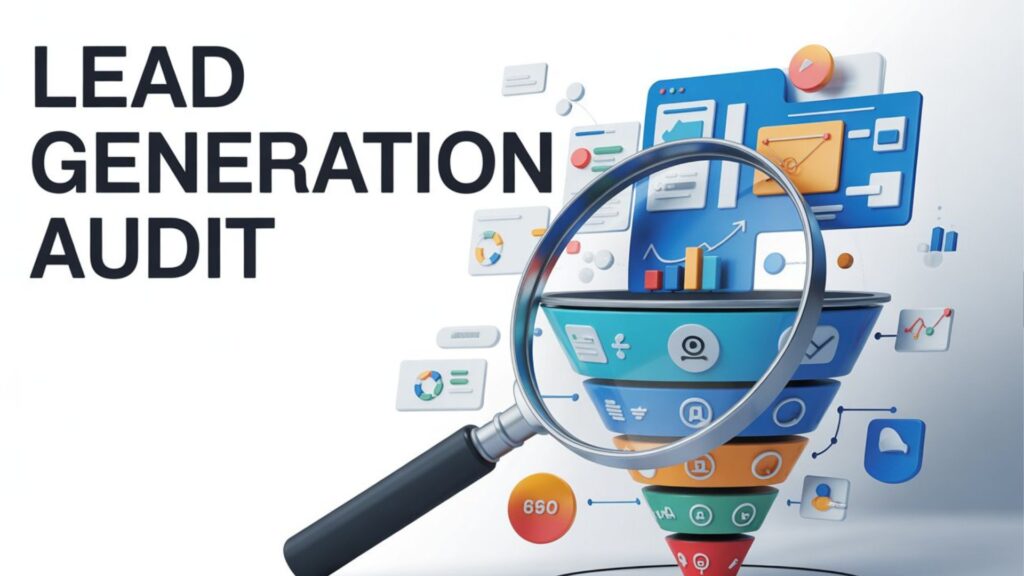
A Lead Generation Audit is one of the most important steps for improving your marketing results and fixing issues that slow down conversions. It helps you understand how leads move through your funnel, where problems exist, and what changes can increase your overall performance. A good audit gives clear insights into your targeting, messaging, systems, and follow-up actions.
It also highlights areas where your team can improve alignment between marketing and sales. With a structured review, you can find hidden gaps, remove weak points, and build a stronger lead generation system that brings better results. A detailed audit leads to more efficient processes and higher-quality leads. Here are B2B companies, lead scoring system, sales funnel analysis, pipeline visibility, and CRM data hygiene.
Understanding the B2B Lead Generation Process
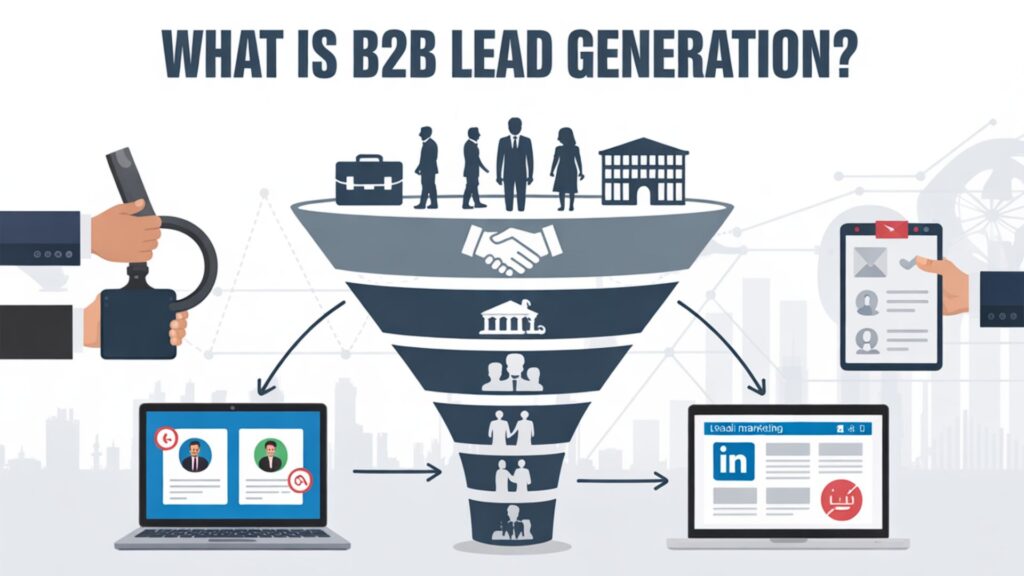
A full B2B lead generation process includes finding prospects, engaging them, capturing information, qualifying them and sending them to sales. This flow must be smooth, consistent and supported by a clean system. Many brands collect leads without understanding the quality, the intent or the readiness of the buyer. That is why studying the sales funnel analysis gives clarity. It shows how people move from awareness to decision, where they slow down, and why they leave. This approach helps identify problems and improves funnel optimization over time.
A major part of this process is evaluating the lead sources evaluation happening across channels. Some leads come from inbound lead channels like SEO, content, referrals and webinars. Others come from outbound lead sources such as cold emails, LinkedIn outreach or paid ads. A healthy system balances both, tracks which sources bring high-intent leads, checks which produce SQLs (Sales Qualified Leads) and measures which channels fail. This is how companies improve performance metrics and create a reliable flow of future customers.
Why a Lead Generation Audit Matters
A detailed lead generation audit examines every moving part of acquisition, nurturing and qualification. It exposes issues with targeting, campaigns, systems and follow-up. The audit highlights problems like poor lead capture optimization, slow follow-up speed, weak call-to-action (CTA) optimization, or incorrect qualification criteria. This detailed review guides a company to better messaging and better conversions. When done well, it saves money and boosts predictable results.

During the audit, teams also discover issues within internal communication. Many B2B companies lose leads because their marketing and sales alignment is weak. This causes confusion around lead scoring rules, unclear handoff guidelines and poor cooperation. When the lead handoff process is structured and the follow-up cadence is consistent, the company closes more deals. Stable communication also helps sales speak with real decision-makers, reduce delays and improve appointment setting.
Reviewing Your Ideal Customer Profile (ICP) and Messaging

The foundation of good lead generation is a strong Ideal Customer Profile (ICP) and accurate target persona. When a brand does not know who it is selling to, campaigns become unfocused and expensive. Revisiting the ICP helps refine industry, company size, pain points, buyer roles and budget readiness. This ensures prospects fit the business and reduces low-quality leads. When companies design campaigns aligned with customer pain points, they improve messaging alignment, increase trust and attract people with real interest.
With a clear audience, you can test and adjust language, offers and positioning. The audit helps ensure emails, landing pages, ads and scripts all speak clearly to customer needs. If messaging does not match prospect intent, people will not convert, no matter how strong the campaign is. Improving messaging solves many hidden problems inside the funnel. This increases SQL conversion rates, supports ABM (Account-Based Marketing) strategies and boosts measurable success.
Lead Capture Forms and Conversion Experience
Lead capture happens on websites, landing pages, chat widgets and ads. If these channels are complicated or unclear, leads drop before giving their data. Reviewing lead capture forms during the audit helps identify friction points. Companies need simple forms with strong value exchange, clear offers and meaningful call-to-action (CTA) optimization. This improves the chance of receiving qualified leads.
The conversion experience also includes page speed, copywriting clarity, layout design and trust elements. A good page encourages people to share real information, improving the quality of the pipeline. By analyzing this part of the funnel, teams catch technical issues, reduce abandonment and increase lead capture optimization. Good forms also support multi-touch outreach and faster qualification.
Lead Qualification, Scoring and Handoff Review
A major part of the audit is evaluating qualification criteria and the lead scoring system. This ensures every lead is categorized based on intent, fit and readiness. A strong scoring model separates marketing-qualified leads (MQL) from SQLs (Sales Qualified Leads) in a clear way. When scoring is wrong, sales teams waste time on unfit prospects, or they neglect qualified ones. Reviewing scoring rules fixes this issue.
The next stage is the lead handoff process. When leads move from marketing to sales without a smooth system, many become lost. Teams must ensure proper documentation, automation and communication. Identifying dropped handoffs helps prevent revenue loss. A strong handoff ensures sales knows exactly what to do, how fast to respond and how to maintain consistent follow-up cadence for better conversions.
Sales Funnel Analysis and Pipeline Visibility
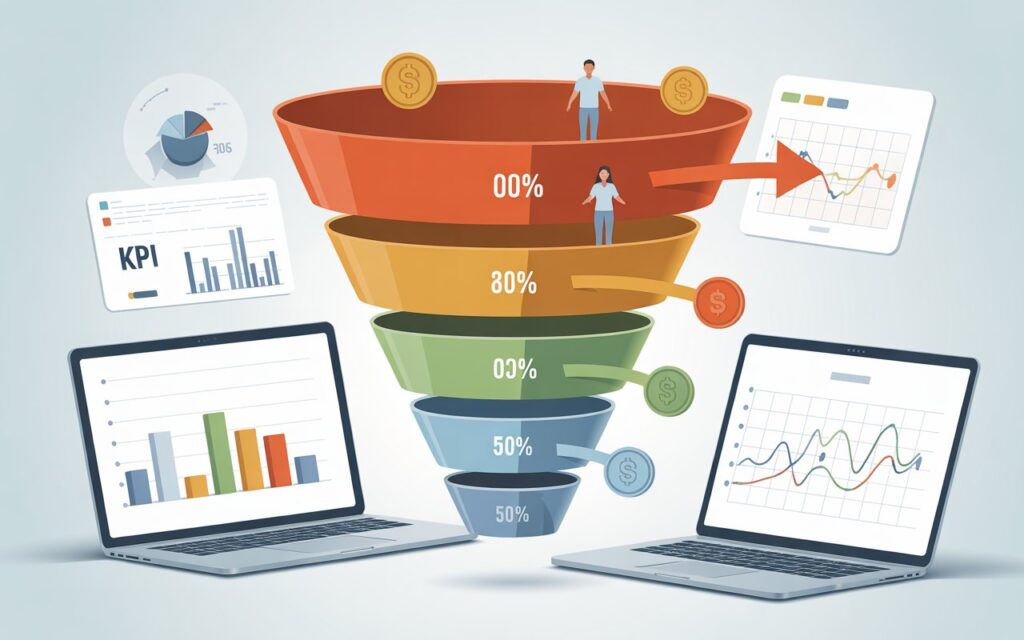
A complete sales funnel analysis shows where leads disappear, what slows down deals and which stages need improvement. Problems usually appear in consideration or decision stages. These issues represent conversion bottlenecks, where people hesitate and disengage. Understanding these stages gives visibility into the entire pipeline and supports good pipeline visibility.
When pipeline visibility improves, forecasting becomes easier. Leadership can track MRR tracking, revenue projections and sales performance. The audit also uncovers where new tools, better content or faster messaging can help move leads to purchase. This analysis helps teams improve pipeline growth using simple adjustments.
CRM Data Hygiene and Automation Review
A major secret to strong B2B results is clean CRM data hygiene. Dirty data leads to wrong follow-ups, missed deals, and inaccurate insights. The audit focuses on duplicates, outdated records, missing fields and inconsistent data. With clean CRM data, the company can build better automation, stronger workflows and clearer reports.
Automations help with email sequences, reminders, tasks and updates. These automation sequences support structured sequences, improve timing and strengthen multi-touch outreach. When automation works properly, teams react faster to leads, improve follow-up speed, and reduce manual work. Clean data is the fuel for predictive analytics, better personalization and future growth.
Outbound and Inbound Channel Performance
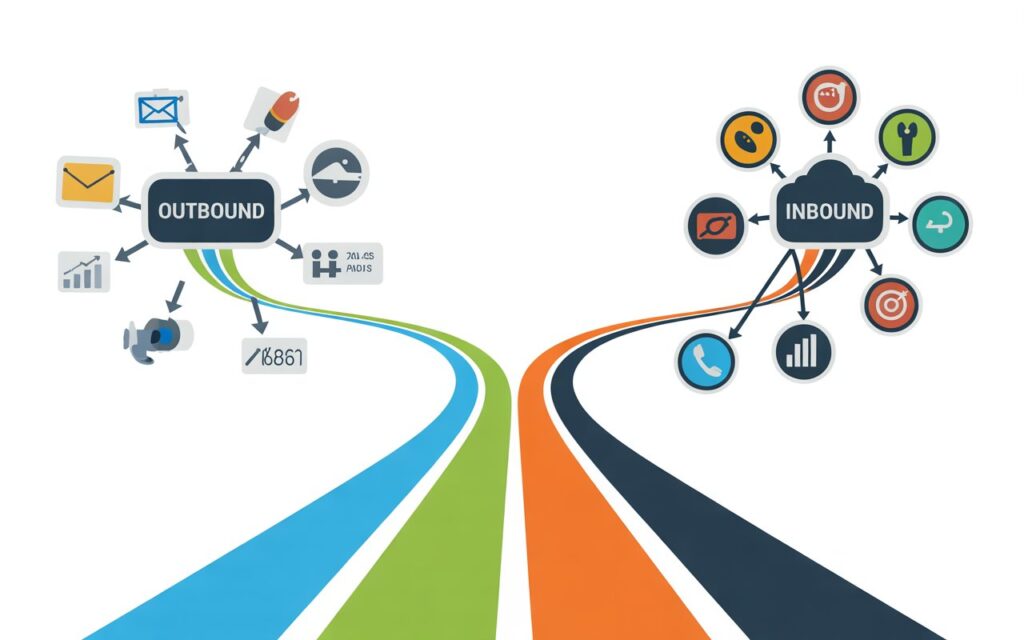
The audit reviews both inbound and outbound channels. Inbound includes SEO, blogs, webinars and organic traffic. Outbound includes cold email, paid ads and social outreach. Both must be optimized to ensure steady growth. Studying these channels shows which ones bring high-intent leads, and which create low-quality leads.
Outbound often requires better scripts, segmentation and improved lists. Inbound needs better content, better optimization and stronger nurturing. When channels are reviewed deeply, teams understand campaign behavior and produce data-driven insights that strengthen overall strategy. This is how companies improve conversion numbers and reduce wasted budgets.
Case Study: How a SaaS Company Improved Conversions by 47%
A mid-size SaaS brand was facing a sharp drop in conversions even though traffic was increasing. After a complete B2B lead generation audit, the company discovered major issues with lead scoring rules, slow follow-up speed, and missing data fields inside the CRM. They also learned that most leads came from one inbound channel, which produced low-quality leads.
The brand rebuilt its lead scoring system, cleaned its CRM data hygiene, improved messaging, and redesigned its lead capture forms. They introduced faster email sequences, structured the lead handoff process, and added more outbound campaigns targeting decision-makers. Within three months, the company increased its SQL conversion rate by 47% and improved pipeline growth significantly.
Table: Key Areas Reviewed During a Lead Generation Audit
| Audit Area | What It Checks | Why It Matters |
| ICP targeting | Customer profile and persona accuracy | Ensures quality leads enter the funnel |
| Lead capture optimization | Forms, pages, CTAs | Improves conversion rate from traffic |
| Lead scoring system | Fit, intent, readiness | Helps sales focus only on best leads |
| CRM data hygiene | Duplicates, incomplete data | Prevents lost leads and errors |
| Follow-up cadence | Timing and frequency | Increases chances of booking calls |
| Outbound lead sources | Cold outreach quality | Helps scale predictable pipeline |
| Inbound lead channels | Organic and content performance | Reveals opportunities for higher intent leads |
Final Thoughts
A strong B2B lead generation audit is not just a technical review. It is a system that improves revenue, clarity and team performance. It helps identify weak areas in messaging, targeting, scoring and nurturing while uncovering opportunities for better alignment between marketing and sales. When companies improve their process using data driven Insights, cleaner workflows and improved communication, they remove conversion bottlenecks, increase pipeline visibility and achieve stronger, predictable growth. This is how modern B2B brands build reliable sales engines and convert more high-intent leads into paying customers.
FAQs
Q: What is a B2B lead generation audit Reddit discussion about?
A: Reddit communities like r/marketing and r/sales share real experiences with B2B lead audits, common mistakes, and practical tips from marketers who’ve run successful reviews.
Q: What should be included in a B2B lead generation audit checklist?
A: A complete checklist includes ICP review, lead scoring evaluation, CRM data hygiene check, conversion form analysis, sales-marketing alignment assessment, and channel performance measurement.
Q: What are the top B2B lead generation companies in USA?
A: Leading B2B lead generation companies in the USA include CIENCE, Callbox, Belkins, Martal Group, and SalesRoads, known for delivering qualified leads across various industries.
Q: What do B2B sales lead generation companies do?
A: B2B sales lead generation companies specialize in prospecting, outreach, appointment setting, and pipeline building through targeted campaigns, helping businesses scale their sales efforts efficiently.