Cold email outreach can be a game-changer for businesses, but nothing destroys results faster than Cold Email Bounce. When your emails fail to reach inboxes, it harms your email deliverability and damages your sender reputation, making future campaigns less effective.
Many marketers struggle because their lists contain outdated contacts, role-based email addresses, or unverified leads. Understanding why emails bounce and taking steps to prevent it is essential for any cold email campaign. By focusing on email list hygiene, proper domain warm-up, and using AI tools to verify and segment contacts, you can significantly reduce bounce rates and increase your cold email reply rate.
What is Email Bounce Rate?
Email bounce rate is the percentage of emails that fail to reach their destination. If you send 1,000 emails and 50 bounce, your bounce rate is 5%. There are two main types: soft bounce vs hard bounce. Soft bounces happen due to temporary issues, like a full inbox or server downtime. These emails might go through if retried later. Hard bounces are permanent failures, such as invalid emails or blocked domains. How to reduce cold email bounce rates starts with understanding this distinction and monitoring these metrics closely.
A high bounce rate hurts your sender reputation. Email Service Providers (ESPs) track bounce rates. Too many bounces signal spammy behavior, reducing inbox placement. Campaigns with high bounces also struggle to reach verified decision-makers, lowering cold email reply rate. In the USA, keeping bounce rates below 5% is critical. Ideally, campaigns should maintain under 3%. Regular monitor bounce rates daily to protect your domain and maintain email deliverability protection.
💡 Struggling with cold email deliverability?
We’ve built cold email infrastructure for 50+ B2B companies—achieving 40-60% open rates and 10-15 consultations monthly.
See how we can help →Common Reasons Why Cold Emails Bounce
One major reason emails bounce is using purchased email lists or outdated contacts. Email lists decay over time, and the email list decay rate is roughly 22% per year. Sending to invalid or old emails results in bounces, hurting your sender reputation. Email verification tools help clean lists and confirm addresses before sending. Role-based and disposable emails such as info@, sales@, or hr@ also contribute to bounce problems because they are rarely monitored by humans.

Technical issues can also cause bounces. Misconfigured SPF, DKIM, or DMARC records trigger ESP blocks. Sending too many emails too quickly without domain warm-up is another common mistake. High email volume management without proper controls triggers spam filters. Other reasons include heavy HTML formatting, spam-triggering words, or ignoring spam traps. A clear email outreach strategy with high-risk email segmentation can prevent these bounces and improve email deliverability protection.
How Bounce Rates Affect Your Cold Email Success
Bounce rates have a direct impact on cold email outreach success. When your high-quality email list contains invalid emails, ESPs notice and lower your email deliverability. Even perfectly written emails to valid contacts may land in the spam folder. Over time, high bounce rates decrease cold email reply rate and damage long-term reputation.
Moreover, bounces waste resources. Every email sent to an invalid address costs time, effort, and money. Campaigns fail when bounces prevent emails from reaching verified contact segmentation. Maintaining low bounce rates improves inbox placement, ensures engagement, and strengthens your email outreach strategy for future campaigns.
Anti-Bounce Rules for Cold Email Campaigns
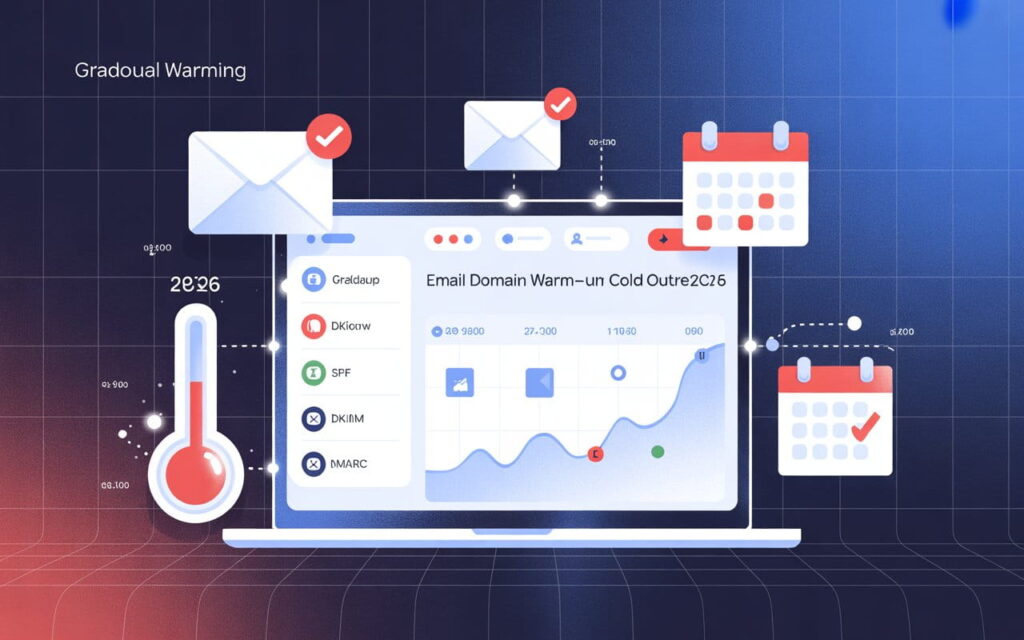
To prevent emails from bouncing, always configure your domain properly. Implement SPF, DKIM, and DMARC for email deliverability protection. Never skip domain warm-up, as sending from a new domain without it triggers ESPs. Build sending volume gradually to protect your email domain health.
Another rule is to verify emails using AI-powered email verification. Avoid role-based and disposable emails, and remove old or unverified addresses. Monitor sending limits for new domains and use multi-domain email sending to reduce risk. Proper email list cleaning combined with high-risk email segmentation ensures campaigns run smoothly without unnecessary bounces.
Tips to Reduce Bounce Rate
Keeping your email list clean is essential. Regularly remove outdated contacts and maintain email list hygiene. Use real-time email validation to confirm addresses before sending. This simple step dramatically improves email bounce reduction and cold email reply rate.
Email content also matters. Stick to plain-text emails with proper email personalization. Avoid spam-triggering formatting, excessive links, or ALL CAPS subject lines. Segment your contacts based on engagement and verified contact segmentation. Combine these steps with email list decay rate management and you reduce bounces while improving overall campaign performance.
How AI Can Help Reduce Bounce Rates
AI email tools have revolutionized email verification and email bounce reduction. AI-powered email verification ensures that every address is valid before sending. Email address enrichment fixes outdated or missing data. AI can flag role-based emails, disposable emails, and potential spam traps.
AI also predicts potential deliverability issues. By analyzing historical patterns, AI recommends email volume management, optimal sending times, and safe email cadences. It handles email list cleaning, verified decision-makers segmentation, and high-risk email segmentation automatically. With AI, campaigns stay under 3% bounce rates consistently. Tools like ZeroBounce , NeverBounce, and Clearbit are widely used for real-time email validation and email deliverability protection.
Best Practices for Cold Email Deliverability
For high cold email outreach success, follow best practices. Always verify emails, clean your list, and gradually warm up new domains. Stick to plain-text emails and use simple email personalization to avoid spam filters.
Rotate domains and inboxes for large campaigns to prevent any single sender from being blocked. Monitor email domain health, check inbox placement, and adjust sending volumes with AI tools. Following cold email campaign best practices in 2026 ensures better email deliverability protection and increases cold email reply rate.
Common Mistakes That Increase Bounce Rates
Using purchased email lists without verification is a top mistake. Ignoring domain warm-up and sending too fast also increases bounces. Over personalizing emails with too many merge fields can break messages, triggering spam filters.
Other mistakes include failing to monitor sending limits for new domains, neglecting email list hygiene, and sending to role-based email addresses. Overlooking spam traps or relying on outdated data sources also damages email deliverability. Avoiding these errors is critical for cold email best practices 2025 and long-term success.
Tools and Resources to Maintain Low Bounce Rates
A combination of email verification tools and AI email tools keeps campaigns safe. Tools like ZeroBounce, NeverBounce, and MillionVerifier handle real-time email validation. Data enrichment tools such as Apollo and Clearbit fix outdated information and enhance verified contact segmentation.
For email domain health and email deliverability protection, Warmup Inbox, Instantly Warmup, and Mailreach monitor domain reputation and adjust sending automatically. AI-driven segmentation tools, such as Smartlead AI, help remove high-risk email segments and prioritize emails most likely to engage. Using these tools together ensures a high-quality email list and consistent cold email reply rate.
Ready to Fix Your Cold Email?
🛡️ We guarantee 10 consultations in 60 days or work free.
⭐⭐⭐⭐⭐ 50+ clients | 2.4M emails sent | 3.2% reply rate
What you get:
✅ Complete infrastructure (30 emails, 10 domains)
✅ 10,000 personalized emails monthly
✅ First consultations in 5-6 weeks
2 spots left for February 2026
Conclusion & Key Takeaways
Managing Cold Email Bounce is essential for successful campaigns. High bounce rates hurt sender reputation, reduce email deliverability, and lower cold email reply rates. Using AI-powered email verification, email address enrichment, email list cleaning, and domain warm-up helps prevent bounces.
FAQs
Why is my email bounce rate so high?
High bounce rates often happen due to outdated lists, role-based email addresses, unverified contacts, or poor email list hygiene.
What is the 30/30/50 rule for cold emails?
This rule suggests sending 30% to new contacts, 30% to engaged leads, and 50% to verified decision-makers to maintain email deliverability.
How to fix a high bounce rate?
Verify your list with AI email tools, remove invalid addresses, and segment high-risk emails to improve inbox placement.
How do I fix my bouncing email?
Use real-time email validation and clean your email list regularly to prevent bounces and protect your sending reputation.
How to reduce running bounce?
Monitor bounce rates daily, avoid role-based and disposable emails, and implement email domain health checks before campaigns.
Q: What is a bounce email?
A: A bounce email is an email that fails to reach its recipient and is returned to the sender.
Q: Why will emails bounce?
A: Emails bounce due to invalid addresses, role-based emails, outdated contacts, or technical issues like misconfigured SPF, DKIM, or DMARC.
Q: What do you mean by bounce?
A: A bounce occurs when an email cannot be delivered to the intended recipient and is returned to the sender.
Q: Should I delete bounced emails?
A: Yes, remove invalid or bounced addresses from your list to maintain email deliverability and sender reputation.
Q: When to use the bounce?
A: Use bounce reports to identify undeliverable emails and clean your email list before sending campaigns.
Q: What is the use of bounce?
A: Bounce information helps improve email list hygiene, reduce future bounces, and protect your sender reputation.