When your cold emails are getting no response, it can feel confusing and frustrating, especially when you believe your offer has real value. Many business owners assume the problem is the audience, but in most cases, the real issue hides inside overlooked details like weak deliverability, poor targeting, or lack of personalization.
Modern inboxes are strict, competition is rising, and prospects judge messages in seconds, which makes credibility more important than ever. Even small email mistakes can push your outreach into silence. When you understand what’s actually blocking replies and how to fix it, your cold outreach becomes stronger, clearer, and far more effective.
1. Poor Email Deliverability Is Killing Your Inbox Placement
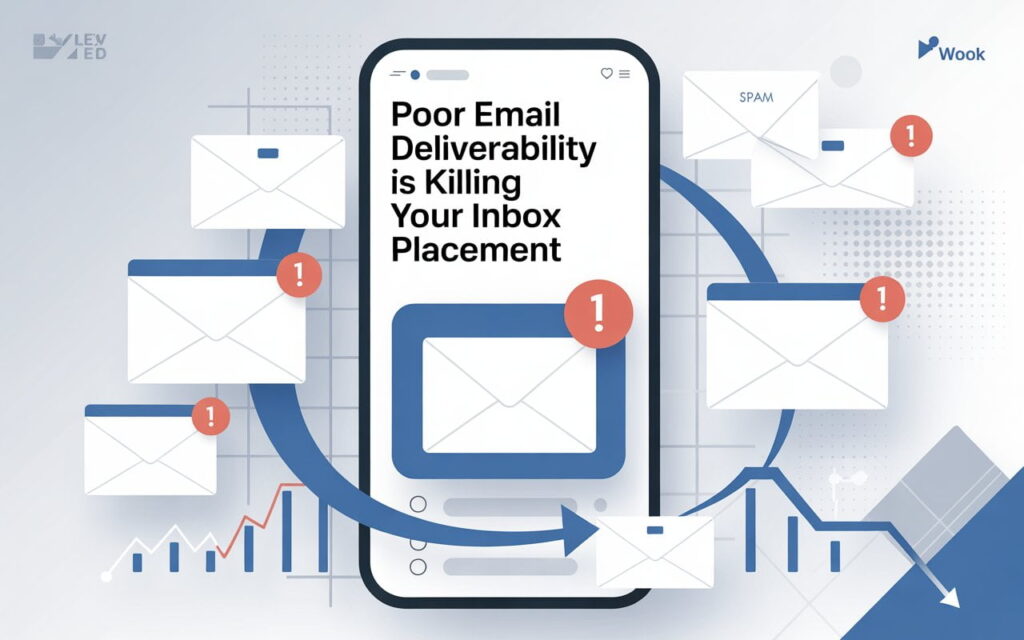
One of the biggest reasons your cold emails get no response is that they never reach the inbox. Most senders do not realize how badly domain reputation, spam triggers, and weak authentication affect visibility. When your emails land in spam, you lose your open rate, response rate, and the entire outreach process falls apart. USA inbox providers like Gmail and Outlook use strong filters that punish bad sending habits. Even a small number of email mistakes or email typos can damage your sender reputation, making it impossible for your message to reach qualified leads.
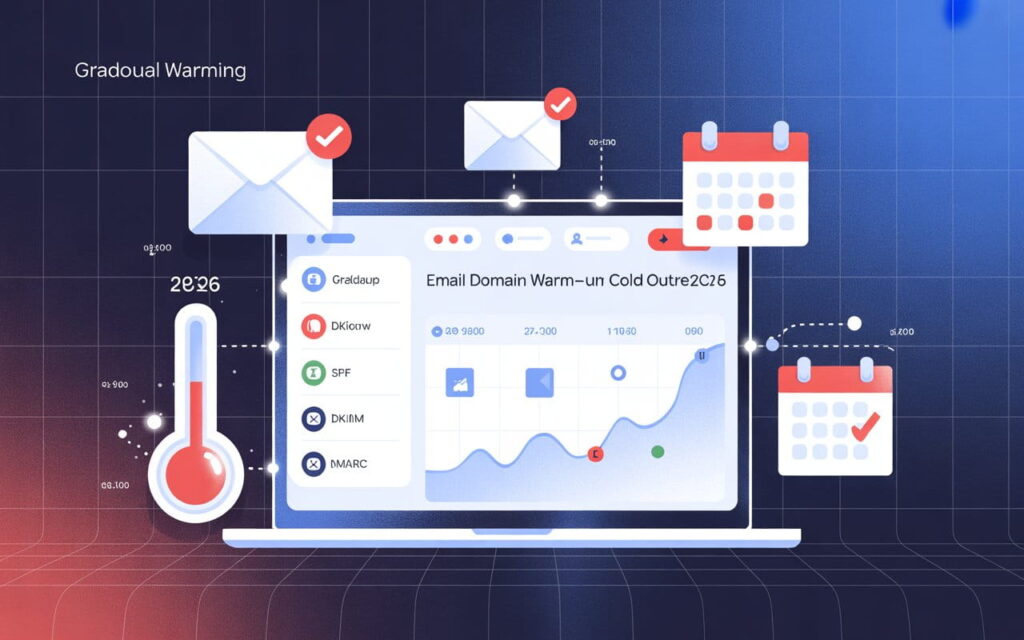
The fix starts with understanding how to protect your sender identity and improve inbox placement. Many companies warm their domains slowly, send low email volume, and maintain clean lists to avoid spam traps. Good authentication using SPF, DKIM, and DMARC helps rebuild trust with inbox providers. A strong sending infrastructure pushes your emails out of spam and into the primary inbox, which leads to more recipient interest, better open rates, and a healthier response rate. Without this foundation, every other strategy will fail before it begins.
💡 Struggling with cold email deliverability?
We’ve built cold email infrastructure for 50+ B2B companies—achieving 40-60% open rates and 10-15 consultations monthly.
See how we can help →Deliverability Table
| Issue | Impact | Fix |
| No SPF/DKIM | Low inbox placement | Authenticate domain |
| High sending volume | Spam filters | Reduce volume |
| Low domain reputation | Low open rate | Warm domain |
| Bad list quality | Bounce rate | Use verified email lists |
2. Your Prospect List Is Low Quality or Not Relevant
Most outbound campaigns fail because of weak email list quality. When you send emails to the wrong people, you automatically get no response even if your message is excellent. Many beginners use premade lists bought from cheap sources, but these lists contain outdated data, irrelevant roles, and unverified addresses. This leads to high bounce rates, bad domain reputation, weak lead qualification, and low recipient engagement. If you target the wrong industry or role, you create a target audience mismatch, and the email feels disconnected from their needs.

The solution is true prospect research. Spend time finding people who genuinely need your offer. When your list aligns with real prospect behavior, your conversion rate grows naturally. People respond more when they feel the outreach is meant for them. Accurate targeting improves every metric, protects your sender identity, and increases the chances of turning prospects into qualified leads who actually engage with your offer.
List Quality Comparison
| Bad List | Good List |
| Purchased | Researched |
| Unverified | Verified email lists |
| Wrong industry | Targeted outreach |
| High bounce | High engagement |
3. Your Email Lacks Personalization & Relevance

Many senders still ignore personalization, even though it is the heart of good business communication. When your email starts with a generic line and no recipient name, it instantly feels automated and low-effort. USA professionals receive dozens of cold emails every week, so they ignore anything that feels robotic or irrelevant. Lack of empathy, understanding, and relevance makes prospects feel the email wasn’t written for them. This results in prospect silence and low open rates.
To fix this, use simple email personalization techniques. Mention something real about their company, role, or recent activity. Show that you understand their challenges. When you demonstrate empathy and relevance, it improves the business relationship building process. It signals that you respect their time, which increases recipient engagement and leads to more replies and higher conversion rate.
4. Your Copywriting Is Weak, Long, or Too Salesy
Weak email body content destroys your response rate, especially in the USA market where people prefer short, simple messages. Long paragraphs, heavy selling, and complicated requests make your email look unprofessional. If your copy feels like a pitch instead of a conversation, prospects lose interest. Lack of clarity also affects the call to action, making the reader unsure what to do next.
Strong copywriting focuses on clarity, simplicity, and genuine interest in the recipient’s problem. Use clear language, short sentences, and a logical flow that builds interest without pressure. Analyze subject line optimization, improve subject line testing, and refine your CTA variations through A/B testing. Clear writing helps readers understand your value proposition, which improves conversion problems and increases recipient engagement.
5. You Have Zero Credibility When Reaching Out
Prospects ignore emails when they don’t trust the sender. Weak credibility, missing social proof, and no authority signals make the reader question your legitimacy. If your email feels uncertain, the prospect will avoid replying. Trust is essential in digital outreach, especially in the USA market where decision-makers value reputation.
To improve your credibility, add proof like client names, result numbers, testimonials, or case studies. Even small trust signals help reduce doubt and increase confidence. When the recipient feels you are reliable, your message becomes easier to trust. This shift boosts your response rate and encourages meaningful conversations that support long-term business relationship building.
6. Your Offer Isn’t Compelling or Doesn’t Solve Their Real Problem
Sometimes the email is good, but the offer is weak. A poor value proposition reduces interest and makes your message easy to ignore. If the offer doesn’t match real needs, prospects feel the email is irrelevant. A vague or generic offer also creates conversion problems that prevent the reader from taking action.
Make your offer specific, relevant, and tied to a real problem they are facing. A strong offer focuses on results, not services. When your message speaks directly to the recipient’s goals, your open rate, response rate, and conversion rate improve naturally. Identifying the right problem and presenting a targeted solution leads to stronger engagement and more concrete replies from decision-makers.
7. You’re Not Following Up the Right Way (Or at All)
Many replies come from the follow-up sequence, not the first email. When you fail to follow up, you leave deals on the table. Some senders follow up too aggressively, while others don’t follow up at all. Both extremes damage recipient engagement and weaken future opportunities. Proper follow-ups show consistency and interest without forcing the prospect.
A good follow-up is short, polite, and based on empathy. It respects the recipient’s time while reminding them of the value you offer. A well-timed follow-up builds familiarity, which improves email engagement metrics over time. Most USA-based professionals respond after multiple touchpoints, making follow-ups essential for a successful outreach optimization process.
8. You’re Not Testing, Experimenting, or Sending Enough Volume
Cold email success requires consistent testing. If you send a small number of emails, you will not gather enough data to understand testing variables or improve your results. Lack of experimentation leads to repeated email mistakes, poor performance, and reduced growth.
When you test different angles like subject line testing, CTA variations, or formatting changes, you improve your understanding of subscriber behavior and prospect behavior. This leads to better decisions, stronger copy, and higher open rates. Adequate volume helps you collect reliable data, which improves your overall outreach optimization strategy.
9. You’re Sending Emails at the Wrong Time or With Wrong Formatting
Timing affects whether your email gets noticed. If you send emails when busy professionals are offline, your message gets buried under hundreds of other emails. Wrong formatting also affects readability, making the email appear sloppy or automated. Poor structure, missing spacing, or confusing layout reduces recipient interest and lowers your overall email engagement metrics.
Use clean, simple formatting to make the message easy to read. Focus on mobile readability since most USA professionals check emails on their phones. Good formatting also supports your sender identity and increases the chance of meaningful business communication. When timing and presentation work together, your open rate and response rate naturally improve.
10. How to Fix Everything: Complete Cold Email Optimization Checklist
A strong cold email system includes email deliverability, targeting, personalization, copywriting, offers, testing, and follow-ups. When all these elements work together, your inbox placement, recipient engagement, and overall performance improve dramatically. Every part of this system affects your success, so optimizing everything is essential for effective lead generation and reaching qualified leads who convert.
Ready to Fix Your Cold Email?
🛡️ We guarantee 10 consultations in 60 days or work free.
⭐⭐⭐⭐⭐ 50+ clients | 2.4M emails sent | 3.2% reply rate
What you get:
✅ Complete infrastructure (30 emails, 10 domains)
✅ 10,000 personalized emails monthly
✅ First consultations in 5-6 weeks
2 spots left for February 2026
FAQs
What is the 30/30/50 rule for cold emails?
This rule suggests 30% of your effort goes to crafting the subject line, 30% to email body content, and 50% to follow-ups and recipient engagement for better response rates.
Is cold email dead in 2025?
No, cold email is still effective if you focus on targeted outreach, personalization, and qualified leads rather than generic mass emails.
What is the +1 email trick?
The +1 trick involves sending a follow-up referencing someone they know or a previous interaction, increasing recipient interest and email engagement metrics.
What is the 5 email rule?
The 5 email rule recommends sending up to five follow-up emails in a follow-up sequence to maximize open rates and response chances.