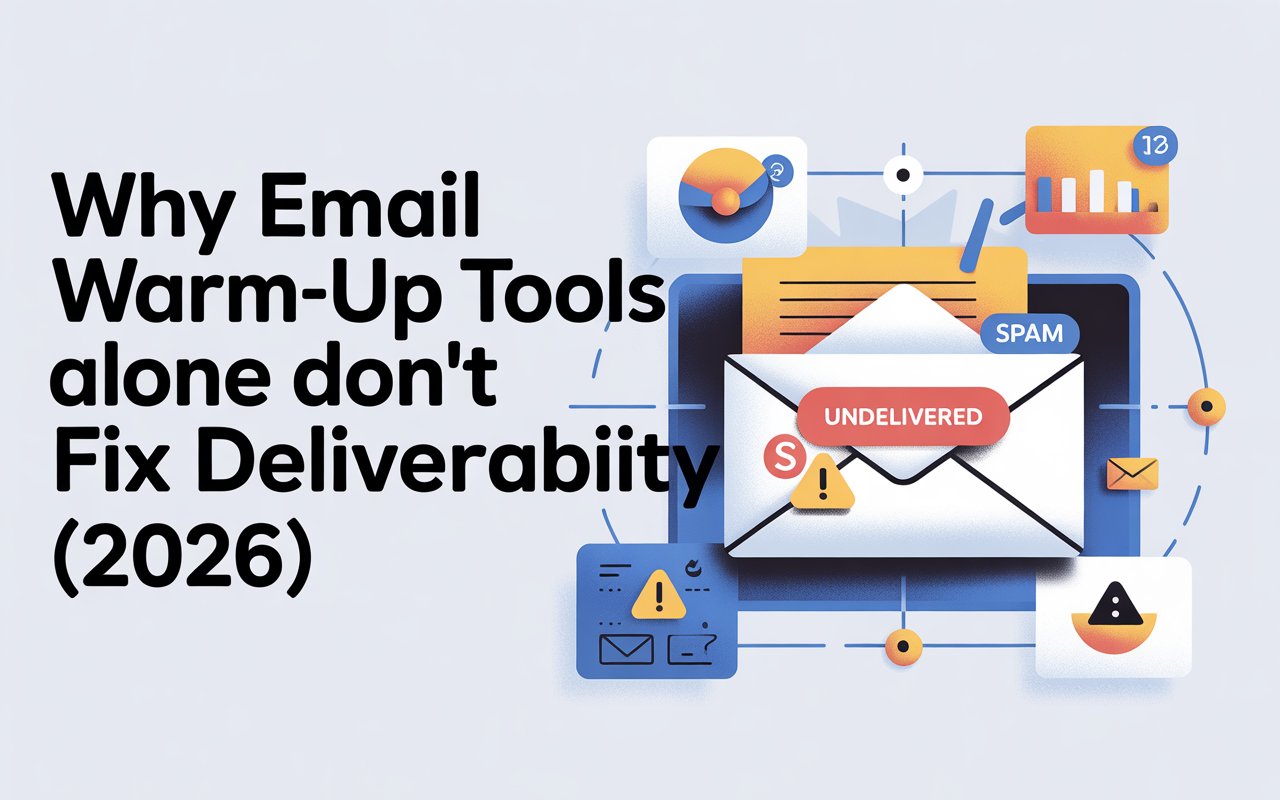
Email deliverability is more than a technical problem. it’s a relationship. Many marketers think that using email warm-up tools alone will magically land emails in the inbox. Unfortunately, that’s like buying a luxury car but never learning how to drive. Warm-up tools help, but they only address one piece of the puzzle. True deliverability depends on email tracking & analytics, prospect engagement, targeted outreach, and well-crafted personalized content (video, image, attachment).
Relying only on warm-up tools is a common mistake. You might see small gains at first, but if your emails are generic, irrelevant, or sent to the wrong audience, spam filters will still block them. Think of warm-up tools as training wheels they support, but you still need strategy, practice, and attention to detail.
1. What Are Email Warm-Up Tools?
Email warm-up tools gradually build trust with mailbox providers. They send small volumes of emails to trusted accounts, increasing your email deliverability over time. Tools like Warmup Inbox, Lemwarm, and MailFlow simulate natural sending patterns, signaling that your domain is safe.
However, these tools are not magic. They cannot fix poor content, low engagement, or spammy practices. If your subject lines are weak, your email open rates will stay low. The tools help your reputation, but they don’t replace thoughtful campaign personalization.
2. How Warm-Up Tools Help (and Where They Fall Short)
Warm-up tools excel at building initial credibility. They improve email tracking & analytics and help avoid bounces from new domains. You can schedule gradual sends, mimic real prospect engagement, and prevent spam flags.

But here’s the catch: tools do not automatically make your emails relevant. Without personalized email templates or addressing the pain points of recipients, your audience may ignore your messages. It’s like a well-dressed salesperson with no script—they look professional but fail to connect.
3. The Role of Domain Reputation
Your domain is your digital ID. A new domain or one with poor history requires warm-up, but even old domains can get flagged. Email deliverability depends on your domain’s reputation, sending frequency, and engagement.
If recipients delete your emails immediately or mark them as spam, tools can’t save you. High response rates come from relevant content, proper recipient segmentation, and understanding your audience’s decision-making authority.
💡 Struggling with cold email deliverability?
We’ve built cold email infrastructure for 50+ B2B companies—achieving 40-60% open rates and 10-15 consultations monthly.
See how we can help →4. Engagement Beats Automation
Many marketers rely on automation to handle everything. While email automation tools are essential for scalable email campaigns, automation alone cannot create meaningful connections. Open rates and replies depend on authentic targeted outreach.
Personal touches matter. For example, referencing mutual connections or recent achievements in email can increase engagement drastically. Automation handles logistics, but human insight drives results.
5. Personalization Is Key
Personalized emails outperform generic ones every time. Using merge fields / custom variables, you can address recipients by name, company, or role. Combine this with personalized content (video, image, attachment) to create impactful outreach.
Imagine two emails: one says “Hello, we sell software,” the other says “Hi Sarah, I noticed your team just launched a new project. Our tool can help improve [metric].” Which do you think gets replies? Personalization wins.
6. Avoiding Spam Traps
Spam filters catch more than lazy emails. Using generic sales copy, overstuffing links, or ignoring industry-specific email standards can hurt your deliverability. Warm-up tools cannot protect against content-related issues.
To stay safe, monitor email campaign success metrics, remove inactive contacts, and send relevant tailored communication. Think of spam filters as bouncers at a club—they only let in guests who behave correctly.
7. Segmentation and List Quality
Sending to everyone on your list is a trap. Email segmentation strategy ensures your messages reach the right audience. Segment by role, location, behavior, or engagement history.
High-quality, engaged lists improve prospect engagement and reduce complaints. Tools can warm up your domain, but they won’t fix lists full of dead emails or uninterested recipients.
8. Testing and Optimization
Email preview & testing is essential. Check how emails render on mobile, desktop, and different clients. A/B testing subject lines, CTAs, and content helps optimize for conversion optimization.
Without testing, even the best warm-up strategy may fail. Monitor opens, clicks, replies, and engagement. Adjust content and sending times based on email tracking & analytics for maximum impact.
9. Combining Warm-Up With Strategy
Think of warm-up tools as part of a bigger email outreach strategy. Combine automation, personalization, segmentation, and testing to build trust and deliver value.
For example, send small batches, track engagement, tweak content, and gradually increase volume. This approach ensures your emails reach inboxes while maintaining high lead generation campaigns performance.
10. Final Thoughts: Warm-Up Is Not Enough
Relying solely on warm-up tools is like putting a Band-Aid on a broken leg. Deliverability requires a holistic approach: clean lists, personalized content, proper segmentation, and engagement monitoring. Warm-up tools help,
but scalable email campaigns need strategy, creativity, and human insight. Remember, the goal is not just inbox placement—it’s meaningful connections. By combining personalized marketing, campaign personalization, and high-ROI email campaigns, you can achieve long-term success that no tool alone can deliver.
FAQs
What is the best email warm up tool?
Warmup Inbox, Lemwarm, Instantly warmup, and MailFlow are among the best email warm-up tools for gradually improving sender reputation and inbox placement.
How do I warm up my emails?
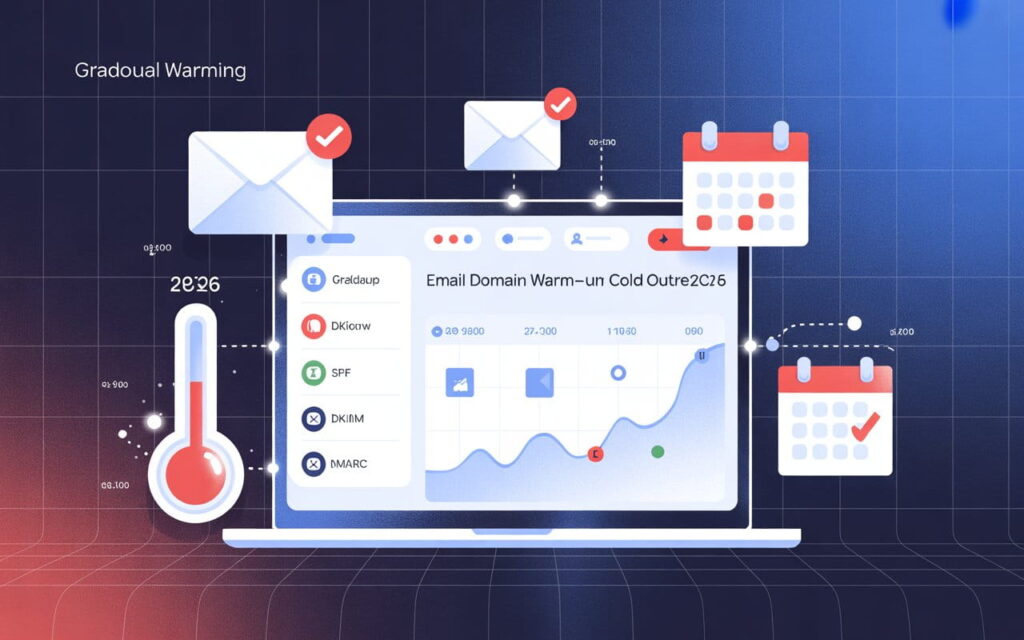
Start by sending 5–10 emails daily from a new domain, gradually increase volume over 2–3 weeks, enable SPF/DKIM/DMARC, and maintain consistent engagement.
How to send 10,000 emails at once?
Use multiple warmed-up domains and inbox rotation inside a cold email automation platform, sending in controlled daily batches rather than all at once.
What are email warmup services?
Email warmup services automatically send and receive emails between trusted accounts to build domain reputation and improve deliverability over time.
What is the 3 email rule?
The 3 email rule suggests sending an initial email plus two follow-ups before assuming a prospect is not interested.
What are the top 10 email providers?
Gmail, Outlook, Yahoo Mail, Apple Mail (iCloud), Zoho Mail, Proton Mail, AOL Mail, GMX Mail, Yandex Mail, and Fastmail are among the top global email providers.
Q: How to fix email deliverability?
A: Clean your email list, verify addresses, and send relevant, personalized content. Monitor engagement and use proper email tracking & analytics.
Q: What is the +1 email trick?
A: The +1 email trick involves sending one extra follow-up to increase replies. It improves prospect engagement without spamming recipients.
Q: What is the 12 second rule for emails?
A: Your email should capture attention within the first 12 seconds. Strong email subject lines and personalized openings are crucial.
Q: Why is no one responding to my cold emails?
A: Emails may lack personalization, relevance, or clear personalized call-to-action (CTA). Targeted recipient segmentation improves response rates.
Q: What is the 30/30/50 rule for cold emails?
A: It suggests 30% research, 30% personalization, and 50% value in your email. This balances tailored communication with actionable content.
Q: What is the 60 40 rule in email?
A: Allocate 60% of your email to value and insights, 40% to your pitch. This improves high-ROI email campaigns and engagement.
Ready to Fix Your Cold Email?
🛡️ We guarantee 10 consultations in 60 days or work free.
⭐⭐⭐⭐⭐ 50+ clients | 2.4M emails sent | 3.2% reply rate
What you get:
✅ Complete infrastructure (30 emails, 10 domains)
✅ 10,000 personalized emails monthly
✅ First consultations in 5-6 weeks
2 spots left for February 2026