
Building a strong Email sender reputation is essential for any business that relies on email marketing. Your reputation determines whether emails reach the primary inbox or get lost in the promotions tab or spam folder. Factors like IP reputation, domain reputation, and proper email authentication directly impact email deliverability insights.
Even minor mistakes, such as high email bounce rate or low email engagement, can damage your credibility with internet service providers (ISPs). Maintaining a positive sender reputation ensures higher open rates, better click-through rates (CTR), and improved email marketing ROI, helping your campaigns reach the right audience consistently and effectively.
What is Email Sender Reputation?
Email sender reputation is a score that ISPs like Gmail, Microsoft , and Yahoo assign to your sending domain or IP address. It’s similar to a credit score for email. If your reputation is good, your emails land in the primary inbox. If it’s poor, your messages may go to the promotions tab, spam folder, or be blocked entirely. Inbox placement is directly influenced by your reputation, email engagement points, and previous campaign performance.
A strong email sender reputation depends on multiple signals. ISPs check hard bounces, soft bounces, spam complaints, and even human interaction with email campaigns. Every email you send contributes to this score, which is why maintaining a positive sender reputation requires consistent attention to email list hygiene and email campaign performance.
💡 Struggling with cold email deliverability?
We’ve built cold email infrastructure for 50+ B2B companies—achieving 40-60% open rates and 10-15 consultations monthly.
See how we can help →Key Factors That Affect Your Sender Reputation
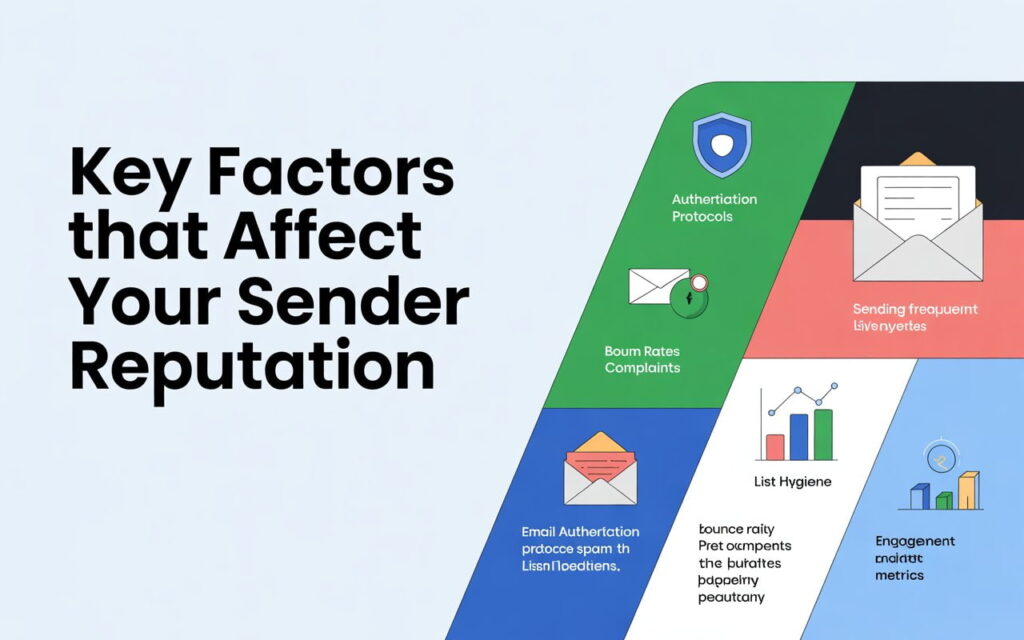
The first major factor is authentication protocols. Implementing SPF, DKIM (DomainKeys Identified Mail), and DMARC (Domain-based Message Authentication, Reporting & Conformance) ensures ISPs know your emails are legitimate. Missing or misconfigured records increase the risk of your emails being marked as spam. TLS encryption also helps protect your messages, which boosts email deliverability insights.

Next, email engagement significantly impacts your reputation. Low open rates and click-through rates (CTR) indicate disengaged recipients. High unsubscribe link clicks or spam complaints lower your score. Sending too often or too little can harm email frequency. Additionally, poor email list hygiene, unengaged contacts, and ignoring soft bounce and hard bounce rates can damage both your IP reputation and domain reputation.
How to Check Your Email Sender Reputation
You can monitor your email sender reputation using reliable email reputation check tools. Tools like Sender Score, Google Postmaster Tools, Microsoft SNDS, Talos Intelligence, and MXToolbox provide insights into your IP reputation and domain reputation. Email reputation monitoring helps spot issues before they affect your campaigns.
Another effective method is reviewing email campaign performance. Track open rates, click-through rates (CTR), and spam complaints. Consistently low email engagement indicates potential reputation problems. Using free email marketing tools like HubSpot or Mailchimp can help visualize these metrics and provide actionable insights to recover from high bounce rates and improve email deliverability.
Understanding Email Reputation Reports
Reading email reputation reports is key to identifying issues affecting your email deliverability insights. A report usually shows hard bounce and soft bounce rates, spam complaints, and engagement statistics. It can reveal whether your emails land in the primary inbox or promotions tab, and pinpoint problem areas in your campaigns.
Reports also allow you to see trends over time. For example, a sudden spike in email bounce rate or spam complaints can indicate technical issues with DKIM, SPF, or DMARC. By analyzing these reports, you can implement email list cleanup strategies and tips to boost email opens and CTRs, ensuring long-term deliverability and a healthy email sender reputation.
Common Email Sending Mistakes That Hurt Reputation
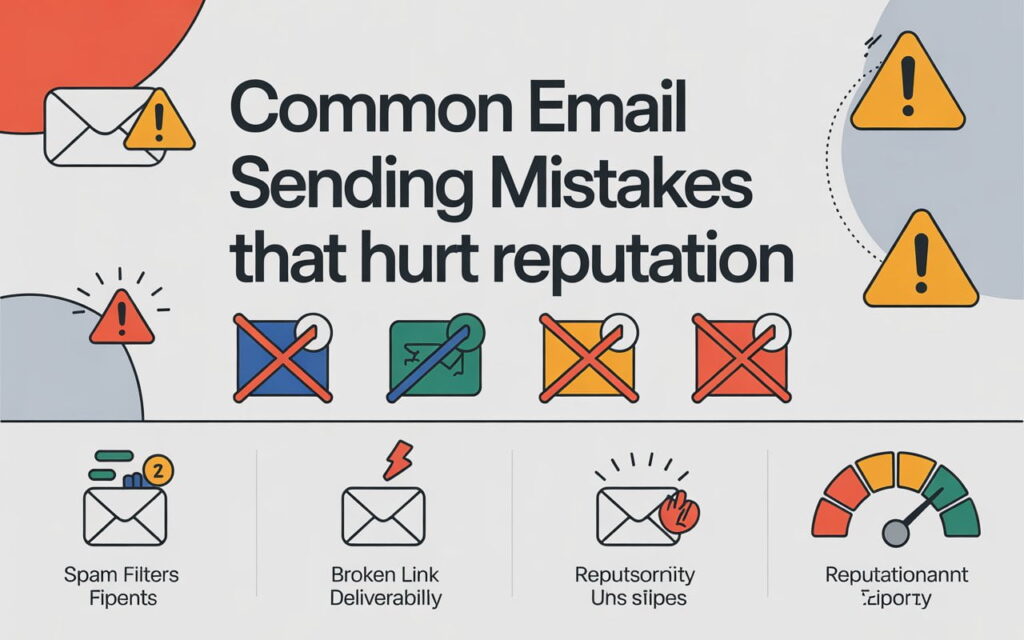
Many marketers overlook causes of emails landing in spam, which quickly hurt their reputation. Using bought or scraped email lists, sending duplicate emails, or ignoring email authentication best practices can drastically lower IP reputation. Frequent errors in content or subject lines also trigger spam complaints.
Ignoring email engagement points and failing to monitor email campaign performance are other common mistakes. High hard bounce rates or sending emails to inactive subscribers damages your domain reputation. Overlooking email list hygiene and email frequency often leads to emails being flagged as spam. Staying proactive is key to maintaining a positive sender reputation.
Best Practices to Improve Sender Reputation
Start by properly setting up SPF, DKIM, and DMARC to prove your emails are authentic. Ensuring TLS encryption is active also strengthens trust with ISPs. Regularly cleaning your email list and removing unengaged contacts improves email engagement and reduces email bounce rate.
Segmenting your contacts and sending personalized emails increases human interaction with email campaigns. Encouraging replies, forwards, and clicks improves your click-through rates (CTR). Following these steps consistently can protect IP reputation and domain reputation, helping your emails land in the primary inbox and enhancing email marketing ROI.
Tools & Techniques to Maintain a Healthy Reputation
Free email marketing tools like HubSpot, Mailchimp, or Sendinblue provide dashboards for email reputation monitoring. They show email campaign performance, open rates, and click-through rates (CTR). Tools like Sender Score and Talos Intelligence give numeric scores for IP reputation and domain reputation, helping identify issues early.
Routine monitoring of spam complaints, hard bounce, and soft bounce rates keeps your email sender reputation healthy. Testing emails with small segments before large bulk email sending ensures better inbox placement. Regular audits and email list cleanup strategies are crucial for maintaining a positive sender reputation and improving email deliverability insights.
Advanced Strategies for Proactive Reputation Management
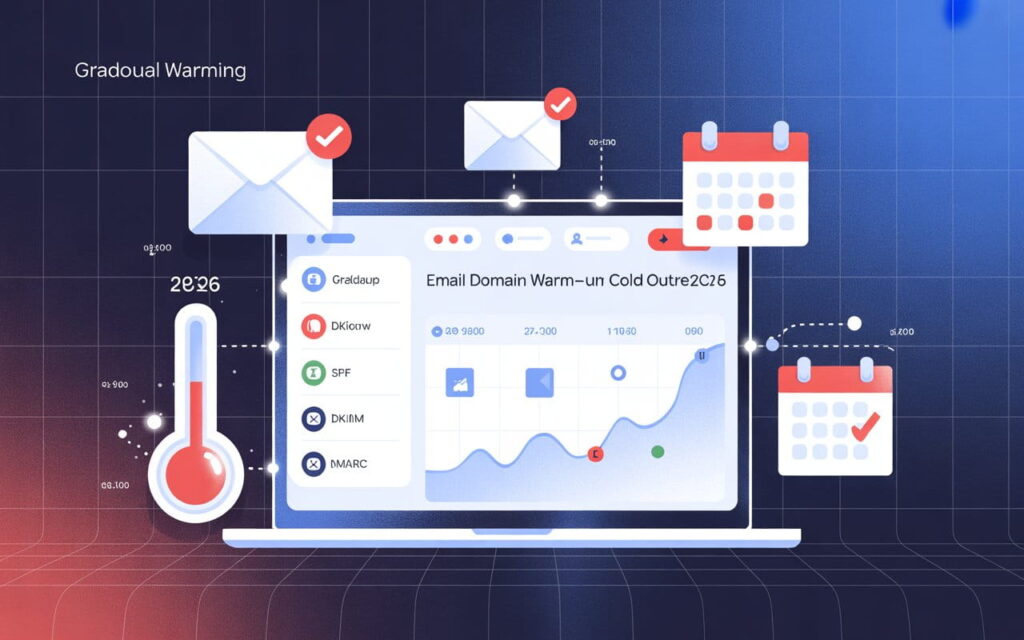
Warming up new IP addresses slowly is essential for maintaining IP reputation. Gradually increase email frequency and monitor email engagement points to prevent sudden reputation drops. Using tiered sending and email segmentation ensures better open rates and click-through rates (CTR).
Routine email reputation monitoring with advanced tools helps detect problems early. Automating email list cleanup strategies and removing inactive subscribers proactively reduces hard bounce and soft bounce rates. Combining these methods improves human interaction with email campaigns and ensures long-term email deliverability insights.
When to Seek Professional Help
Sometimes, internal efforts aren’t enough to fix email sender reputation issues. Hiring email deliverability consultants or using managed services can help resolve persistent problems. Professionals can optimize IP reputation, domain reputation, and ensure email authentication best practices like SPF, DKIM, and DMARC are correctly implemented.
They also provide advanced monitoring for spam complaints, email bounce rate, and email engagement points. Outsourcing technical setup allows you to focus on creating engaging content while professionals handle the complex aspects of email reputation monitoring and email deliverability insights.
Ready to Fix Your Cold Email?
🛡️ We guarantee 10 consultations in 60 days or work free.
⭐⭐⭐⭐⭐ 50+ clients | 2.4M emails sent | 3.2% reply rate
What you get:
✅ Complete infrastructure (30 emails, 10 domains)
✅ 10,000 personalized emails monthly
✅ First consultations in 5-6 weeks
2 spots left for February 2026
Summary & Key Takeaways
Email sender reputation is the cornerstone of effective email marketing. A strong reputation ensures your messages reach the primary inbox, improve click-through rates (CTR), and maximize email marketing ROI. Factors like IP reputation, domain reputation, authentication protocols, and email engagement points play a crucial role.
Consistent monitoring using email reputation check tools, free email marketing tools, and detailed email campaign performance analysis helps prevent issues. Implementing best practices like proper SPF, DKIM, DMARC, TLS encryption, and email list cleanup strategies ensures long-term success. Protecting your email sender reputation is not just technical—it’s about building trust with your audience and delivering value every time.
FAQs
What is a sender reputation?
Sender reputation is a score that measures how trustworthy your emails are to ISPs. It affects whether your messages land in the primary inbox, promotions tab, or spam folder.
How to check sender’s reputation?
You can check your reputation using tools like Sender Score, Google Postmaster Tools, or Talos Intelligence. These provide insights on IP reputation, domain reputation, and email deliverability.
What is a good sender reputation score?
A score above 90/100 is considered excellent, indicating high email engagement and low spam complaints. It ensures most emails reach recipients’ primary inbox.
How to fix email sender reputation?
Fix it by cleaning your email list, authenticating with SPF, DKIM, and DMARC, and improving open rates and click-through rates (CTR). Regular monitoring helps maintain a positive reputation.
Is it better to block or just delete spam?
Blocking prevents future spam from the same sender, while deleting only removes existing messages. Blocking is generally safer for email list hygiene and inbox protection.
Q: How to improve your email sender reputation outlook?
A: Maintain a clean email list, use proper SPF, DKIM, DMARC authentication, and send engaging, personalized emails consistently.
Q: How to improve your email sender reputation for free?
A: Use free tools like Google Postmaster Tools, HubSpot, or Mailchimp to monitor campaigns and clean your list regularly.
Q: How to improve your email sender reputation in Gmail?
A: Authenticate emails, maintain low bounce rates, and send personalized, high-engagement messages to boost Gmail inbox placement.
Q: What is an email reputation check?
A: An email reputation check evaluates your IP and domain trustworthiness to ensure messages reach recipients’ inboxes.
Q: What is Sender Score?
A: Sender Score is a numeric rating (0–100) of your email sending reputation used by ISPs to gauge deliverability.
Q: How to fix email reputation?
A: Clean your email list, remove unengaged contacts, implement SPF, DKIM, DMARC, and improve engagement rates.
Q: How to perform a sender reputation check?
A: Use tools like Sender Score, Talos Intelligence, or Google Postmaster Tools to analyze your IP and domain reputation.
Q: What are Google Postmaster Tools?
A: A free Google tool that provides insights on your domain’s email reputation, spam reports, and delivery performance.