You’re spending hours on social media. Posting motivational quotes. Sharing client wins. Building your brand.
But your calendar? Still empty.
Here’s the truth most coaches won’t admit: Instagram reels and TikTok dances won’t fill your pipeline with high-ticket clients. LinkedIn lead generation for coaches is where the real money lives.
I’m talking about decision-makers with budgets. Professionals actively seeking transformation. People who invest in themselves not scroll for entertainment.
In this guide, I’ll show you exactly how coaching businesses are using LinkedIn to generate qualified leads without spending a dime on ads. No spam tactics. No sleazy DMs. Just a proven system that works in under 60 minutes per day.

Let’s dive in.
Why LinkedIn Is THE Platform for Coaches in 2026
LinkedIn isn’t just another social media platform. It’s where your ideal coaching clients are already looking for help.
Think about it. When someone opens Instagram, they’re looking for entertainment. When they open LinkedIn, they’re in business mode. They’re thinking about career growth, leadership challenges, and professional development.
That mindset shift changes everything.
Here’s what makes LinkedIn lead generation so powerful for coaches: Over 310 million monthly active users are professionals with buying power. Business coaches, life coaches, executive coaches, and career coaches are all finding clients here—because the platform naturally filters for people who can afford premium services.
Unlike Facebook or Instagram, LinkedIn’s algorithm still rewards organic content. You don’t need thousands of followers to get seen. You need the right strategy.
The best part? Your competition probably isn’t using LinkedIn correctly. Most coaches treat it like a digital resume. They post occasionally, accept random connection requests, and wonder why nothing happens.
You’re about to learn a different approach.
Setting Up Your LinkedIn Profile for Maximum Visibility
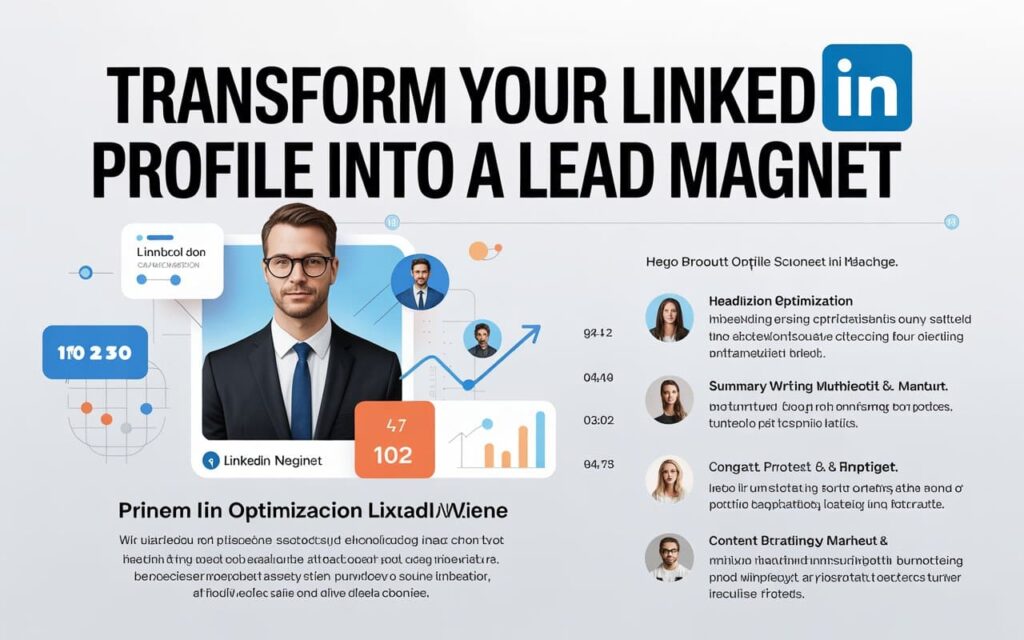
Your LinkedIn profile is your storefront. If it doesn’t immediately tell visitors what you do and who you help, you’ve already lost them.
Let’s start with your headline. Don’t write “Certified Life Coach | Speaker | Author.” That’s boring and tells me nothing.
Instead, try this formula: “I help [specific audience] achieve [specific result] without [common pain point].”
Example: “I help burned-out executives reclaim 15 hours per week without sacrificing career growth | Executive Coach + Productivity Strategist”
See the difference? One is about you. The other is about your client’s transformation.
Your banner image matters too. Don’t use the default blue background. Create a custom banner that reinforces your message. Include your value proposition, a client testimonial, or a clear call-to-action.
Now, let’s talk about your About section. This is where most coaches write their life story. Don’t do that.
Write like you’re talking to one person. Use “you” instead of “they.” Address their pain points in the first two sentences. Then explain how you solve those problems.
The Featured section is pure gold for lead generation. Pin your best content here: client success stories, helpful articles, free resources, or booking links. This is prime real estate—use it wisely.
One more thing: turn on LinkedIn Creator Mode. This unlocks features like LinkedIn Live, newsletters, and better content distribution. It also puts your content front and center on your profile instead of your job history.
The Content Strategy That Attracts Coaching Clients
Content is how you build authority on LinkedIn. But most coaches are doing it wrong.
They post random thoughts. Share generic motivation. Copy trending formats. And get zero traction.
Here’s what works: Pick 3-4 core topics (content pillars) that speak directly to your ideal client’s biggest challenges. For a business coach, that might be: scaling revenue, hiring A-players, and CEO mindset. For a life coach: confidence, work-life balance, and relationship dynamics.
Stick to these topics. When you’re known for specific expertise, people remember you. When you talk about everything, nobody knows what you stand for.
Post 2-3 times per week consistently. That’s it. You don’t need to post daily. You need to post valuable content regularly.
Here’s the content formula that drives LinkedIn lead generation:
Hook (first 2 lines): Make people stop scrolling. Ask a provocative question. Share a surprising stat. Tell a micro-story. Remember, LinkedIn only shows three lines in the feed preview—make them count.
Body: Share one actionable insight. Tell a client success story. Break down a common mistake. Give a framework. Make it practical, not theoretical.
Call-to-Action: Don’t always sell. Sometimes ask a question to drive engagement. Other times, invite people to DM you for a resource. Occasionally, direct them to book a call.
LinkedIn’s algorithm loves engagement. Posts that spark conversations get more reach. So write content that makes people want to comment, not just scroll past. Develop a systematic LinkedIn content strategy for lead generation that attracts your ideal coaching clients consistently.
Want a shortcut? LinkedIn articles and newsletters build deeper authority. Long-form content positions you as a thought leader. Plus, articles stay on your profile forever—working for you 24/7.
The LinkedIn Outreach System That Doesn’t Feel Sleazy
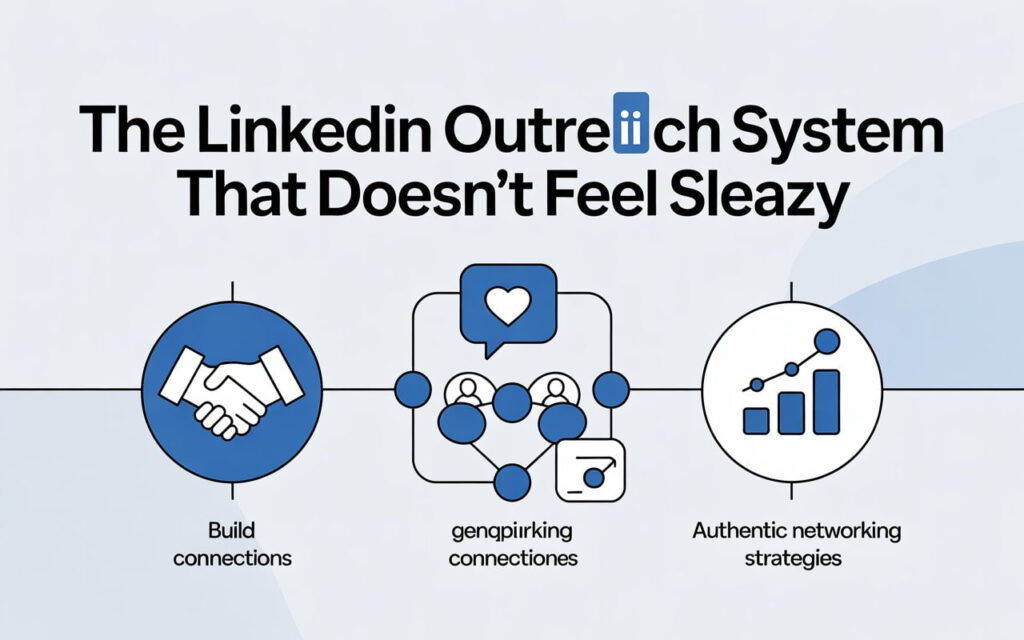
Here’s where most coaches mess up. They connect with someone and immediately pitch their services.
“Hey! I’m a life coach helping people transform their lives. Want to book a discovery call?”
Delete. Unfriend. Block.
LinkedIn outreach works when you focus on relationships first, sales second. Here’s the system that actually converts:
Step 1: Strategic Connections
Don’t spray and pray. Use LinkedIn Sales Navigator to build a targeted list. Filter by job title, industry, company size, and even recent job changes (people in transition often need coaching).
Send personalized connection requests. Mention something specific from their profile: a recent post, a shared connection, a common interest. Keep it under 200 characters.
Example: “Hi Sarah, loved your post about leadership challenges in remote teams. I work with tech VPs on exactly this—happy to connect!”
Step 2: Warm-Up Sequence
After they accept, don’t pitch. Wait 2-3 days. Engage with their content. Leave thoughtful comments on their posts. Show genuine interest.
Then send a value-first message. Share a relevant article. Offer a free resource. Ask about their biggest challenge. Make it about them, not you.
Step 3: The Permission Pattern
This is the magic. Instead of pitching, ask permission to share something valuable.
“I’ve been helping several marketing directors solve [specific problem]. Would you be open to me sharing what’s working?”
Most people say yes. Now you’re having a conversation, not making a cold pitch.
Step 4: Book the Call
After providing value and building rapport (usually 3-5 messages over 1-2 weeks), invite them to a strategy call. Frame it as a conversation, not a sales pitch.
“Based on what you shared, I think a 15-minute call could help clarify your next steps. Would Tuesday or Thursday work better?”
This approach feels natural. It works because you’ve earned the right to make the offer.
LinkedIn Automation: The Safe Way to Scale
Let’s address the elephant in the room. LinkedIn automation tools can save you hours—or get you banned.
The difference? How you use them.
LinkedIn has strict rules about automation. Sending 100 connection requests per day from a bot? That’s a quick path to account restrictions. But using automation thoughtfully? That’s smart lead generation.
Safe automation limits: 20-25 connection requests per day. 50-75 messages per day. Always randomize timing. Always personalize messages.
Tools like Expandi, Dripify, and HeyReach offer cloud-based automation that mimics human behavior. They use dedicated IP addresses and randomized delays to avoid LinkedIn’s spam filters.
But here’s my advice: automate the repetitive tasks, not the relationship-building.
Use automation for: sending connection requests at scale, following up with non-responders, tracking conversations, exporting lead data.
Do manually: responding to replies, engaging with content, having real conversations, qualifying prospects.
Think of automation as your assistant, not your replacement. It handles the grunt work so you can focus on what matters: meaningful conversations that lead to coaching clients.
One warning: never use browser extensions that simulate clicks. LinkedIn detects these easily. Stick to cloud-based tools that work through APIs.
Converting LinkedIn Connections into Paying Clients
You’ve built connections. You’re posting great content. People are engaging.
Now what?
The biggest mistake coaches make? Assuming interest equals intent. Just because someone likes your posts doesn’t mean they’re ready to buy.
You need a conversion funnel.
Step 1: Lead Magnets
Offer something valuable in exchange for an email. A checklist, template, mini-course, or assessment quiz. Host it on a landing page and share the link in your LinkedIn posts and messages.
This moves people from LinkedIn to your email list—an asset you control.
Step 2: Discovery Calls
Not everyone needs a full sales pitch. Offer a 15-20 minute strategy call where you diagnose their situation and offer genuine value. Some will buy. Others will refer. All will remember you.
Use a scheduling tool like Calendly or Acuity. Make booking frictionless.
Step 3: Follow-Up Sequences
Most sales happen after multiple touchpoints. Build an email sequence that nurtures leads who aren’t ready to buy yet. Share case studies, testimonials, and educational content.
Track everything. Know which LinkedIn lead generation tactics are actually producing clients versus just engagement.
Step 4: Ask for Referrals
Happy clients know other people who need coaching. Ask them to introduce you to 2-3 people in their network. Make it easy by drafting a referral message they can copy-paste.
Your best leads often come from warm introductions, not cold outreach.
Common LinkedIn Mistakes Coaches Make (And How to Avoid Them)
Even with the right strategy, small mistakes can sabotage your LinkedIn lead generation.
Mistake #1: Posting Without Strategy
Random posts about your morning routine or vague inspirational quotes won’t attract coaching clients. Every post should serve a purpose: educate, inspire action, or start a conversation.
Mistake #2: Ignoring Engagement
If someone comments on your post, reply within 24 hours. LinkedIn’s algorithm rewards active conversations. Plus, it’s just good manners.
Mistake #3: Being Too Salesy
LinkedIn is a relationship platform. Lead with value. Sell second. If every post is a pitch, people will tune out.
Mistake #4: Inconsistent Presence
Posting once a month won’t build momentum. Neither will posting 5 times one week and disappearing for three. Consistency builds trust.
Mistake #5: Neglecting Your Network
Don’t just collect connections like baseball cards. Engage with their content. Send personalized messages on work anniversaries or job changes. Stay top-of-mind.
The coaches who win on LinkedIn treat it like a marathon, not a sprint. They show up consistently, provide value generously, and build relationships authentically.
Your Next Steps: Building Your LinkedIn Lead Generation System
You now have the framework. But knowledge without action is just entertainment.
Here’s what to do this week:
Monday: Optimize your LinkedIn profile. Rewrite your headline. Update your About section. Add resources to your Featured section. Turn on Creator Mode.
Tuesday-Thursday: Create your first three pieces of content. Use the hook-body-CTA formula. Schedule them to post over the next week.
Friday: Build your ideal client list using LinkedIn Sales Navigator. Start with 50 targeted prospects. Send 10 personalized connection requests.
Next Week: Engage with your new connections’ content. Send value-first messages. Offer a free resource. Book your first strategy call.
LinkedIn lead generation for coaches isn’t complicated. It just requires consistency, authenticity, and a system that prioritizes relationships over transactions.
The coaches making six figures from LinkedIn aren’t smarter than you. They’re just more strategic. They treat LinkedIn like the powerful business development tool it is—not another social media time-suck.
Your ideal coaching clients are on LinkedIn right now. They’re searching for solutions. Struggling with challenges. Looking for guidance.
Will they find you? Or will they find a competitor who showed up, provided value, and made the ask?
The choice is yours. Start today.