You’ve heard about LinkedIn Lead Accelerator and want to know how to use it. Here’s the problem: the original product doesn’t exist anymore.
But don’t close this tab yet. I’m going to show you something better—how to get the same results (or better) using tools available right now.
Let’s clear up the confusion and get you generating real B2B leads on LinkedIn.
What Exactly Was LinkedIn Lead Accelerator?
LinkedIn Lead Accelerator was LinkedIn’s programmatic advertising platform that launched in 2015. Think of it as an automated lead nurturing machine that followed your prospects around the internet.
Here’s how it worked:

Someone visits your website but doesn’t fill out a form. Lead Accelerator would track them and show targeted ads on LinkedIn, Facebook, and other sites. It learned from their behavior and adjusted the messaging automatically.
Pretty smart, right?
LinkedIn bought the technology from a company called Bizo for $175 million in 2014. The platform promised to solve two massive problems B2B marketers face:
- 95% of website visitors leave without sharing their email
- 80% of marketing emails never get opened
LinkedIn Lead Accelerator was supposed to reach these people through ads instead. And for a while, it worked brilliantly.
The Shutdown: Why LinkedIn Killed Lead Accelerator
Here’s where things get interesting.
In February 2016—just 12 months after launch—LinkedIn announced the LinkedIn Lead Accelerator shutdown. The decision cost them $50 million in losses.
CEO Jeff Weiner said scaling the platform required “greater investment than anticipated.” Translation: it was too expensive and complicated to maintain.
But industry experts noticed something else. B2B businesses weren’t getting the ROI they expected. The platform excelled at brand awareness but struggled with direct sales attribution.
Most B2B websites don’t have enough traffic to make retargeting work effectively. Without scale, the costs didn’t justify the results.
LinkedIn pivoted hard. They focused everything on Sponsored Content (native ads in your LinkedIn feed), which was growing faster and making more money.
Understanding LinkedIn lead generation costs helps you benchmark whether your investment makes sense, regardless of the platform you choose
What Made Lead Accelerator Valuable (And What We Lost)
Before we talk about replacements, let’s understand what made LinkedIn Lead Accelerator special.
The Power of Combined Data
Lead Accelerator merged two types of information:
Your first-party data: website visits, page views, downloads, and form fills.
LinkedIn’s professional data: job titles, industries, company sizes, and career levels.
This combination let you target incredibly specific audiences. For example: “Marketing Directors at tech companies with 100-500 employees who visited my pricing page twice.”
Nobody else could do that.
Modern approaches can achieve similar results. Explore LinkedIn lead generation for SaaS, coaches, real estate agents, and recruitment agencies for industry-specific strategies.
Automated Nurture Sequences
You could set up “nurture streams”—basically automated ad sequences that changed based on prospect behavior.
Wave 1: Educational content about the problem Wave 2: Case study showing your solution Wave 3: Product demo invitation Wave 4: Limited-time offer
The system handled everything automatically. Budget allocation, audience targeting, creative testing—all managed by LinkedIn’s algorithms.
Real Results From Real Companies
LinkedIn Lead Accelerator reviews from pilot customers showed impressive numbers:
eCornell doubled their landing page conversions and cut their lead accelerator cost by 300%.
Cetera Financial Group generated 900 new website visits and nearly $1 million in new business.
These weren’t small wins. Companies were seeing transformational results.
LinkedIn Accelerate: The New Kid on the Block
So Lead Accelerator LinkedIn is gone. What replaced it?
In October 2023, LinkedIn launched Accelerate—a completely different beast powered by AI.
How LinkedIn Accelerate Works
Here’s the genius part: you give Accelerate a URL and it does everything else.
The AI scans your website, analyzes your LinkedIn Company Page, and looks at your past ad performance. Then it builds a complete campaign in about 5 minutes.
It creates the audience targeting. Writes the ad copy. Designs the creatives. Sets the bidding strategy. Even optimizes everything automatically as the campaign runs.
You just review and launch.
The Big Difference
Original Lead Accelerator worked across multiple platforms—LinkedIn, Facebook, display networks. The new LinkedIn Accelerate only runs on LinkedIn.
That’s both good and bad.
Good: Simpler to use, faster setup, better optimization.
Bad: You lose the cross-platform reach that made the original so powerful.
But here’s what matters: LinkedIn Accelerate delivers a 52% lower cost per action compared to traditional campaigns. That’s according to LinkedIn’s own data.
How to Get Lead Accelerator Results Without Lead Accelerator
You don’t need the original platform to generate quality leads on LinkedIn. You just need the right combination of modern tools.
The Small Business Stack ($500-1,000/month)
If you’re just starting out, here’s what works:
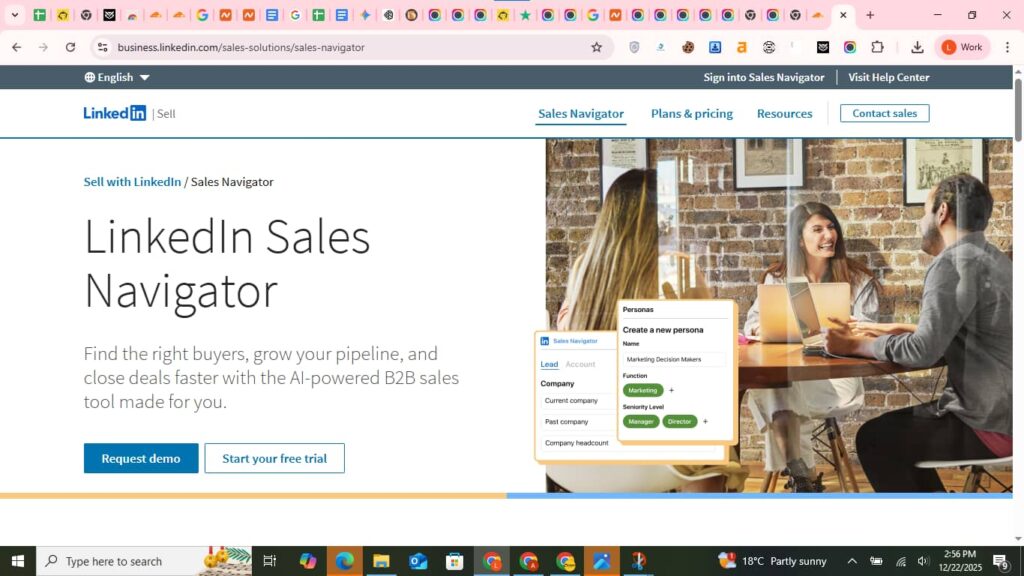
LinkedIn Sales Navigator ($80/month) gives you advanced search filters to find your ideal prospects. You can target by job title, company size, industry, and location.
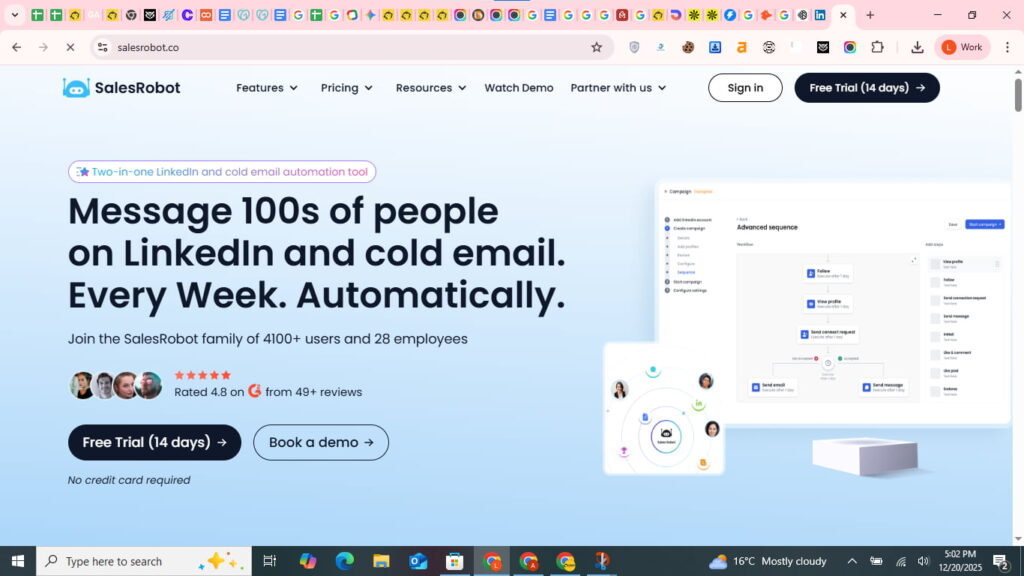
SalesRobot or Dripify ($99/month) automates your outreach safely. It sends connection requests and follow-up messages while staying within LinkedIn’s limits.
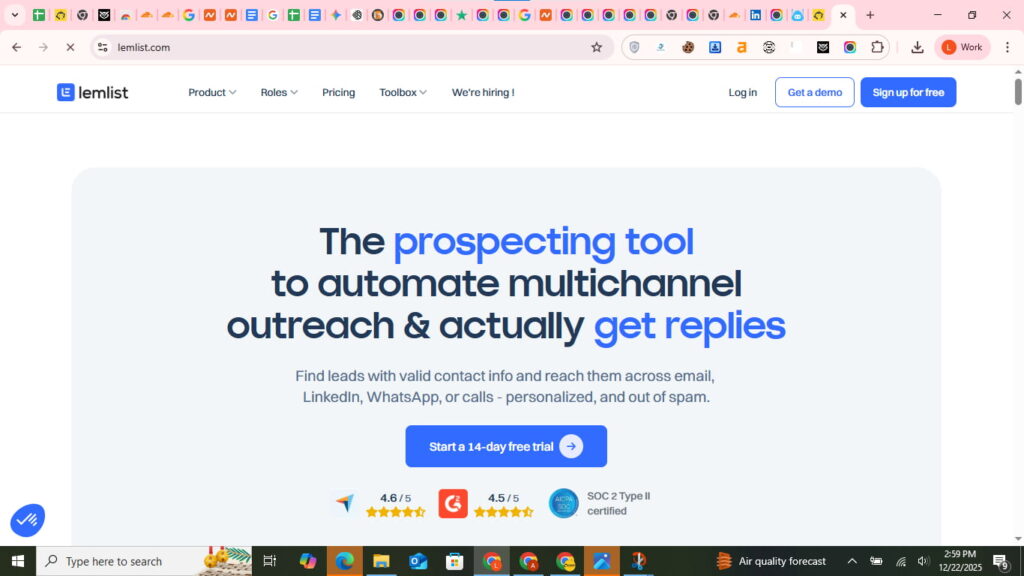
Lemlist ($59/month) handles email follow-up once you’ve connected on LinkedIn.
This stack costs about $240/month before ad spend. Add $300-500 for LinkedIn Lead Gen Forms ads and you’re generating 20-50 qualified leads monthly.
The Growth Company Stack ($2,000-5,000/month)
Ready to scale? Here’s the upgrade:
LinkedIn Accelerate campaigns ($1,500-3,000/month in ad spend) handle the heavy lifting of paid
advertising.
Sales Navigator Team ($540/month for 4 licenses) equips your sales team with prospect research tools.
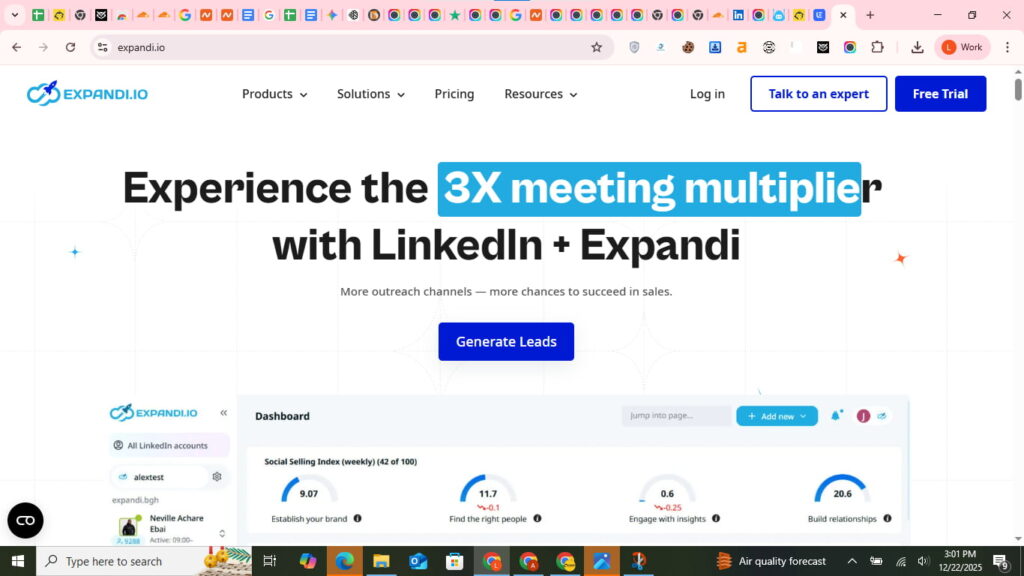
Expandi ($200/month) offers advanced automation for multiple team members.
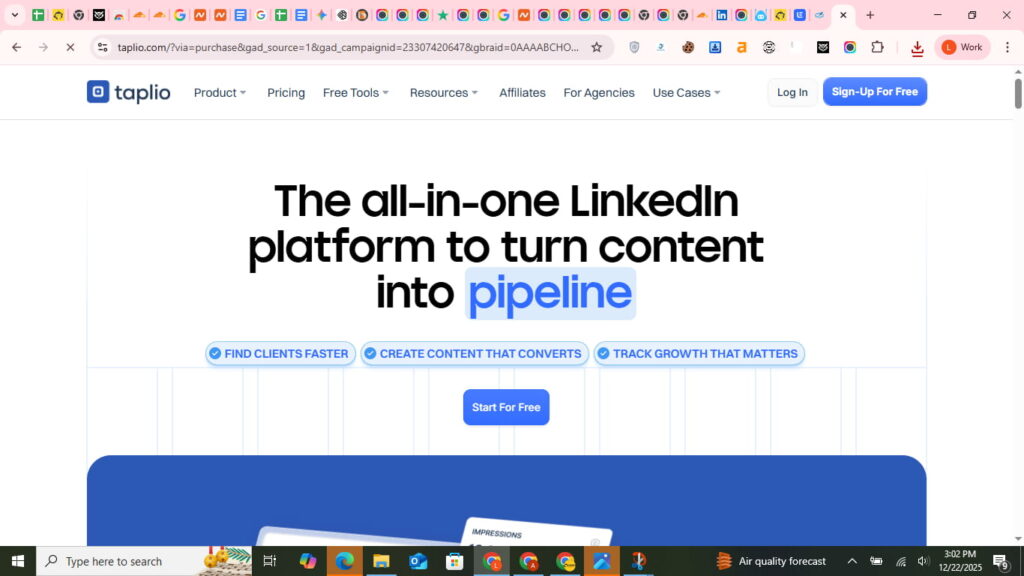
Taplio ($150/month) helps you create engaging content to attract inbound leads.
This combination typically generates 100-200 qualified leads per month for B2B companies.
The Quick-Start Implementation Guide
Want to start today? Follow these steps:
Step 1: Optimize your LinkedIn profile. Professional photo, compelling headline, results-focused summary. This takes 30 minutes but matters more than you think.
Step 2: Install the LinkedIn Insight Tag on your website. This lets you track conversions and build retargeting audiences.
Step 3: Create your first LinkedIn Lead Gen Form. Keep it short—just name, email, and company. The form pre-fills with LinkedIn data, so conversion rates average 13% (versus 2-4% for external landing pages).
Step 4: Launch a small campaign targeting your ideal customer profile. Start with $30/day. Test one message and one audience.
Step 5: Analyze results after two weeks. What’s your cost per lead? Are leads qualified? Adjust targeting and creative based on data.
That’s it. No complex integrations or massive budgets required.
Understanding LinkedIn Lead Generation Costs in 2026
Let’s talk money. What should you actually expect to pay?
Cost Per Lead Benchmarks
LinkedIn Lead Gen Forms: $15-$350 per lead, with most B2B businesses paying $50-80.
Sales Navigator outreach: $10-50 per lead (mostly your time investment).
LinkedIn Accelerate: $40-200 per lead with better optimization.
Third-party automation tools: $20-100 per lead depending on your targeting precision.
Yes, LinkedIn lead accelerator pricing would likely fall in the higher range today if it still existed.
The ROI Reality Check
Here’s what nobody tells you: LinkedIn leads convert 3x better than leads from other platforms.
If your average customer is worth $10,000, and you pay $50 per lead, here’s the math:
100 leads × $50 = $5,000 investment Conversion rate of 2.74% = 2-3 customers Revenue: $20,000-$30,000
That’s a 400-500% return on investment.
This explains why smart B2B marketers keep spending on LinkedIn despite higher upfront costs. The quality justifies everything.
Common Questions About LinkedIn Lead Generation
Can I still access Lead Accelerator somehow?
No. The original LinkedIn Lead Accelerator and its login portal no longer exist. LinkedIn completely shut down the platform in 2016. There’s no LinkedIn lead accelerator agreement to sign because the product is discontinued.
However, several coaching programs now use “LinkedIn Lead Accelerator” as their program name. These are third-party training courses, not LinkedIn’s original platform.
What about the ad specs and technical requirements?
The original LinkedIn lead accelerator ad specs are now obsolete. If you’re running ads today, you’ll use LinkedIn’s current Campaign Manager specifications:
- Image ads: 1200 x 627 pixels
- Video ads: 1920 x 1080 pixels (vertical videos get 84% higher engagement)
- Carousel ads: 1080 x 1080 pixels per card
How do businesses accelerate LinkedIn lead qualification today?
Modern lead qualification happens through a combination of:
Behavioral tracking: LinkedIn Insight Tag shows which prospects visit your site multiple times.
Engagement signals: Who’s commenting on your posts? Who’s viewing your profile?
Sales Navigator filters: Company size, job seniority, and recent job changes indicate buying authority.
Lead scoring in your CRM: Assign points based on job title, company fit, and engagement level.
The key is connecting these signals into one cohesive system.
Is there a demo available?
There’s no LinkedIn lead accelerator demo because the product doesn’t exist. However, LinkedIn offers demos of Accelerate and their current marketing solutions.
You can also find LinkedIn lead accelerator review content online—mostly historical articles explaining why it was discontinued.
What Actually Works Right Now
Forget trying to replicate 2015 technology. Here’s what’s crushing it in 2025:
Strategy 1: The Content-First Approach
Post valuable content 3-5 times per week. Use Taplio or similar tools to generate ideas and schedule posts.
When people engage with your content, they’re signaling interest. That’s your cue to connect and start a conversation.
This organic approach generates 10-50 leads monthly for consistent practitioners. Zero ad spend required.
Strategy 2: The Hybrid Method
Combine paid ads with personal outreach. Run LinkedIn Lead Gen Forms campaigns to capture interested prospects. Simultaneously, use Sales Navigator to identify and personally message your ideal prospects.
The paid ads build awareness. The personal outreach builds relationships.
This is how B2B businesses consistently generate 50-150 leads monthly while maintaining high quality.
Strategy 3: The Event-Driven Funnel
Host weekly or monthly LinkedIn Events (webinars, workshops, Q&A sessions). Promote them with LinkedIn ads. Follow up with every attendee personally.
According to LinkedIn’s data, events can drive 31x viewership compared to regular posts. Attendees are pre-qualified and expect your follow-up.
The Bottom Line
LinkedIn Lead Accelerator pioneered programmatic B2B advertising, but it couldn’t survive its own complexity.
Today’s ecosystem is actually better. You’ve got more tools, lower costs, and frankly, better targeting options than 2015.
LinkedIn Marketing Solutions now offers AI-powered Accelerate campaigns that set up in minutes instead of hours. Third-party tools like SalesRobot and Lemlist give you automation without the enterprise price tag.
The results speak for themselves: B2B lead generation on LinkedIn is more accessible and more effective than ever.
Here’s what to do next:
Choose one approach from this article. Commit to it for 90 days. Track your cost per lead and lead quality religiously.
Adjust based on data, not feelings.
Lead generation isn’t magic—it’s systematic testing and optimization.
Start small. Scale what works. That’s how you build a predictable pipeline without needing LinkedIn to resurrect a dead product.